
Self-Healing Frontends: Error Boundary Patterns
A resilient frontend does not pretend failures will disappear. It contains them, keeps useful UI alive, and gives the edge enough context to recover cleanly.

Topic
A resilient frontend does not pretend failures will disappear. It contains them, keeps useful UI alive, and gives the edge enough context to recover cleanly.

Islands architecture keeps static HTML as the baseline and hydrates only the interactive parts. That split can reduce JavaScript cost without giving up rich UI.
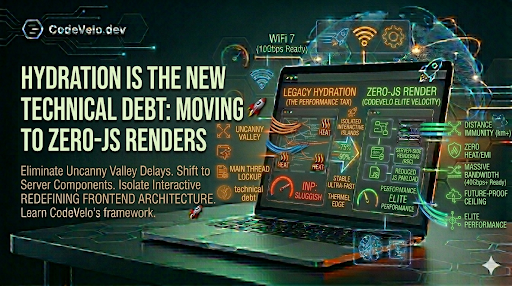
Hydration can turn fast HTML into a slow interaction path. Zero-JS rendering and server components help teams reserve client JavaScript for where it is needed.

The 2025 performance story centered on hydration cost, edge delivery, and better measurement. These shifts set the baseline for faster and more resilient 2026 web systems.

Frontend tooling should reduce build time, debugging friction, and release risk. Vite, faster bundlers, and better diagnostics help teams move without hiding performance costs.