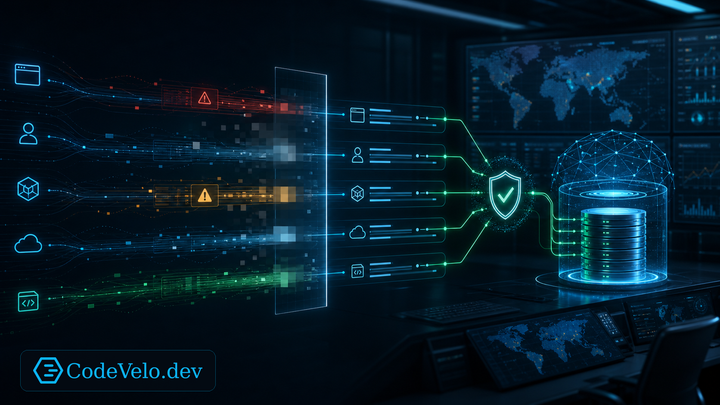
Security Logging Without Building a Surveillance System
Security logs should answer operational questions with the minimum personal data required and clearly controlled access.

CodeVelo Journal
Practical writing on infrastructure, web engineering, observability, automation, and the physical systems that keep software reliable.
Service pillars
Network design, power planning, cabling, monitoring, recovery, and small business infrastructure hardening.
DevFrontend performance, delivery workflows, observability, progressive enhancement, and maintainable engineering practices.
HybridAutomation, audits, runbooks, digital twins, telemetry, and the handoff points where systems usually fail.
Latest
Security logs should answer operational questions with the minimum personal data required and clearly controlled access.
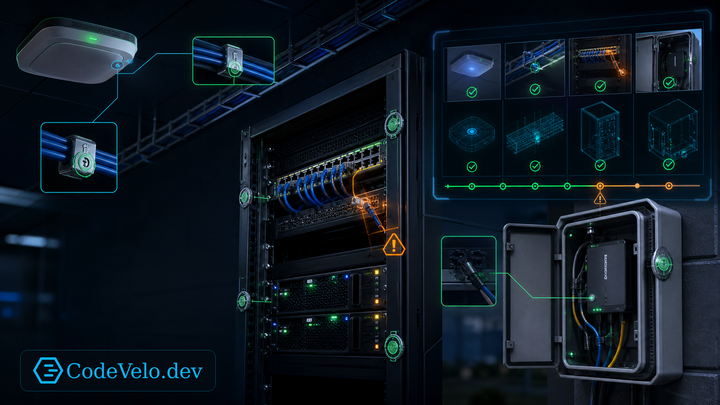
Tamper evidence helps teams detect and investigate physical changes without pretending that seals alone prevent access.
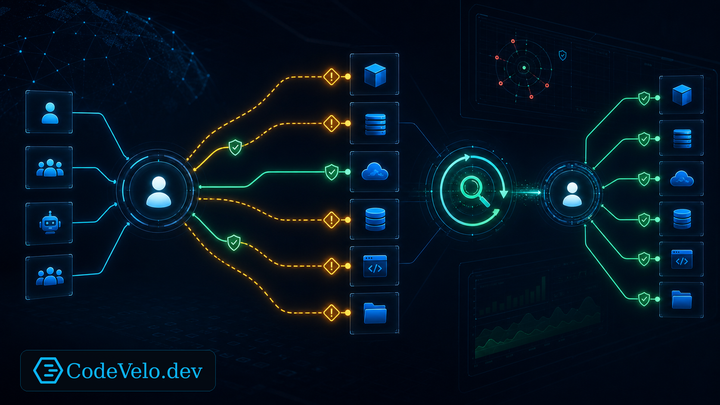
Authorization drifts when roles, grants, service accounts, and exceptions remain after the work that justified them ends.
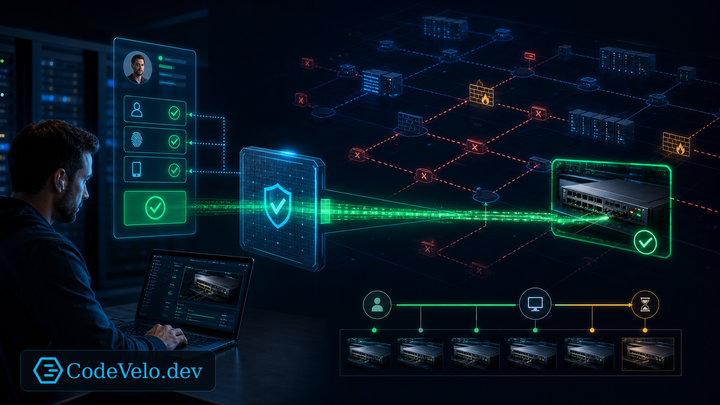
Vendor access should be named, scoped, approved, observed, time-limited, and removed when the work is complete.
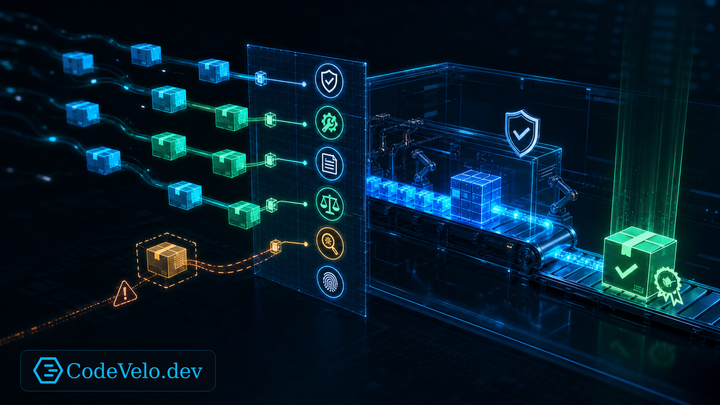
Dependency admission policies evaluate source, maintenance, license, integrity, and risk before packages enter the trusted build path.
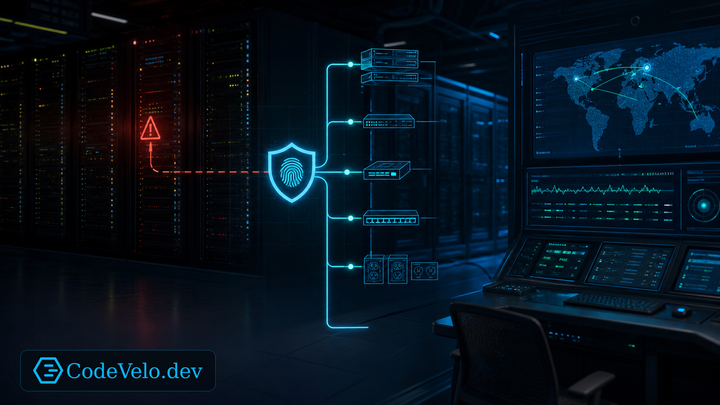
Out-of-band management must remain isolated, attributable, and available when the production network cannot be trusted.
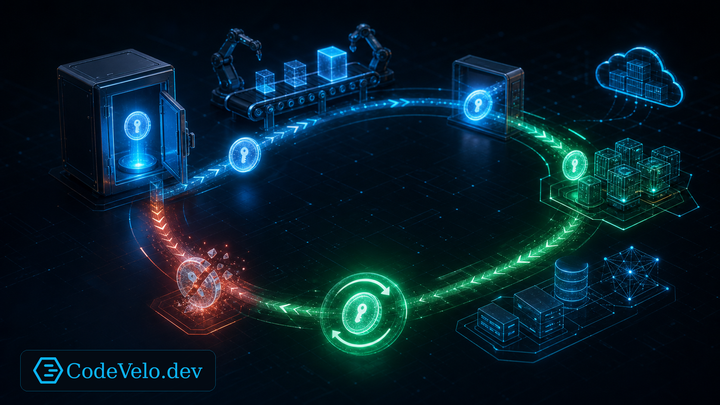
Secrets should be requested, issued, scoped, delivered, observed, rotated, revoked, and destroyed through a controlled lifecycle.
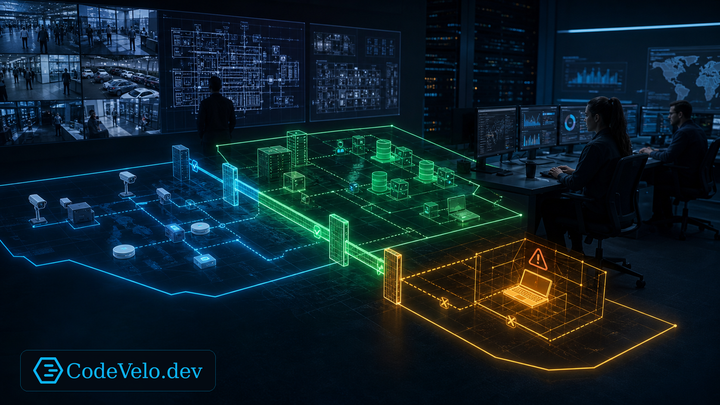
Useful segmentation separates systems by trust, exposure, impact, and management needs instead of organizational charts alone.
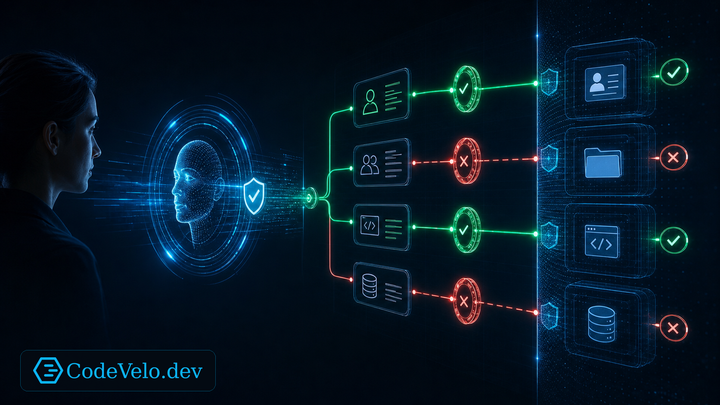
Authentication proves identity; authorization decides what that identity may do in a specific context.