
Securing Out-of-Band Management Before You Need It
Out-of-band management must remain isolated, attributable, and available when the production network cannot be trusted.

Topic
Infrastructure field notes for the physical and operational systems that keep businesses online: racks, cabling, power, Wi-Fi, fiber, backups, monitoring, and recovery planning.
Out-of-band management must remain isolated, attributable, and available when the production network cannot be trusted.

Useful segmentation separates systems by trust, exposure, impact, and management needs instead of organizational charts alone.

Physical access controls should connect identity, authorization, evidence, environmental safety, and emergency recovery.
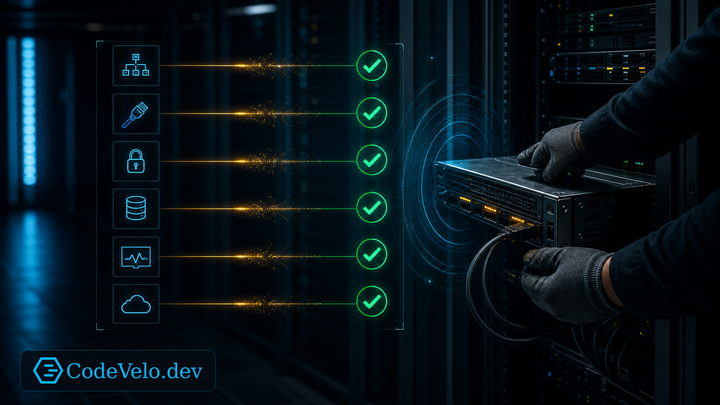
Complete decommissioning removes equipment, access, data, monitoring, billing, dependencies, and obsolete records together.

A good maintenance window has a clear customer promise, tested procedure, decision authority, telemetry, and recovery path.

Infrastructure replacement should follow condition, support, capacity, and risk instead of waiting for hardware failure.
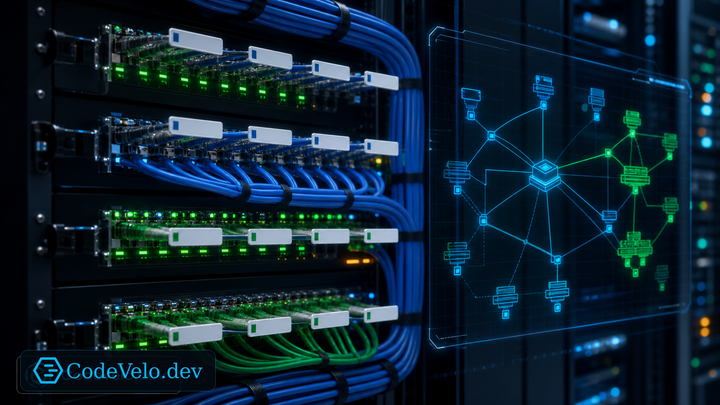
Durable labels connect physical equipment to a maintained source of truth without depending on tribal knowledge.

A durable network closet reserves space, power, cooling, pathways, and documentation for changes that have not happened yet.

The best incident room is not chaotic. It is a prepared run room with maps, authority, telemetry, and recovery paths ready before the outage.