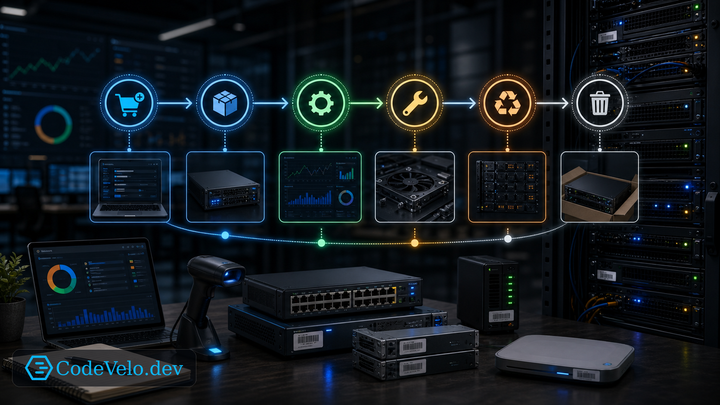
Asset Lifecycle Automation
Infrastructure assets should move through a lifecycle: requested, approved, installed, monitored, maintained, retired, and removed from trust.

Topic
Infrastructure field notes for the physical and operational systems that keep businesses online: racks, cabling, power, Wi-Fi, fiber, backups, monitoring, and recovery planning.
Infrastructure assets should move through a lifecycle: requested, approved, installed, monitored, maintained, retired, and removed from trust.
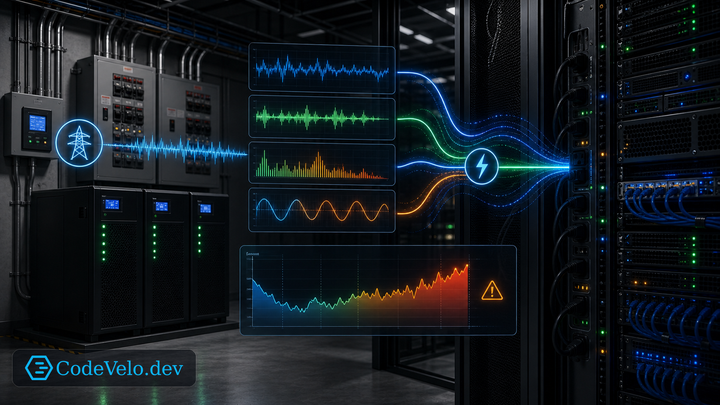
Power quality data can reveal stress before a full outage. Voltage, harmonics, transfer events, and UPS behavior should be part of infrastructure telemetry.
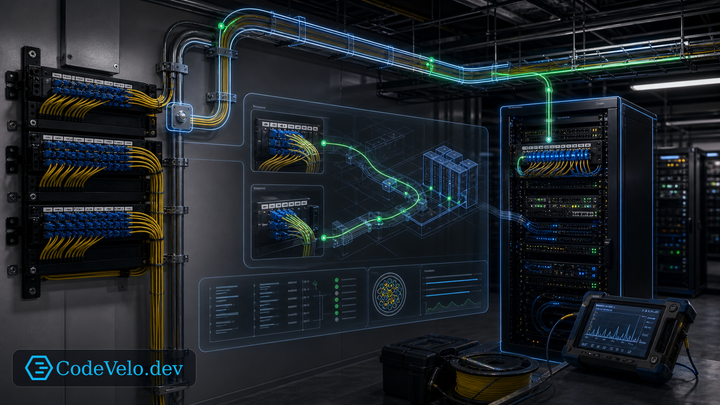
Fiber documentation should describe more than endpoints. It should preserve route, conduit, strand, patch, ownership, and failure-domain context.
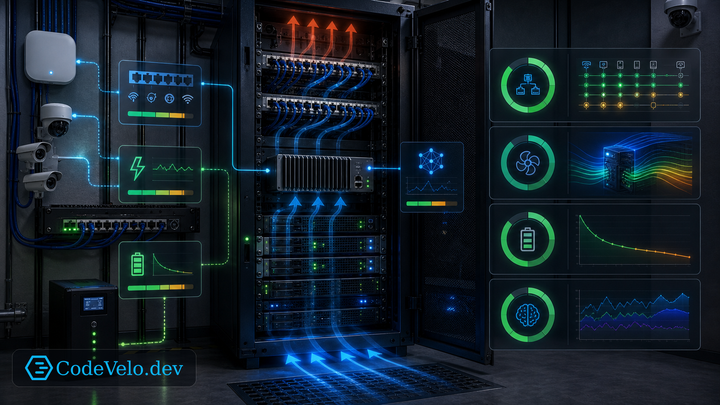
Capacity planning has to connect power, heat, ports, and compute. A rack can be full long before it runs out of space.
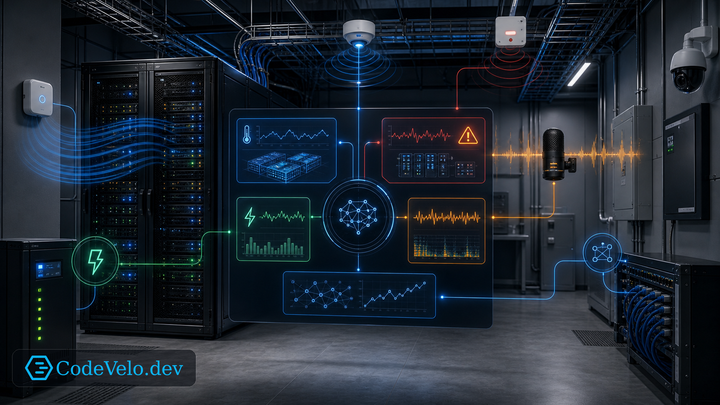
A smart server room is not a room with more sensors. It is a room where temperature, power, airflow, acoustic, and network signals explain each other.
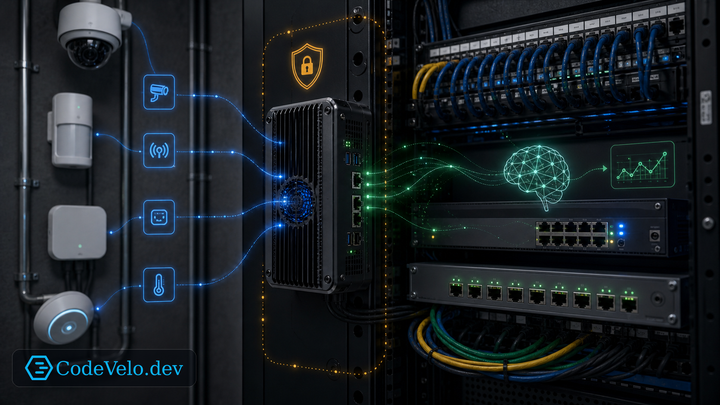
Edge AI gateways bring inference close to cameras, sensors, and access systems, but the wiring closet needs power, cooling, security, and lifecycle planning.
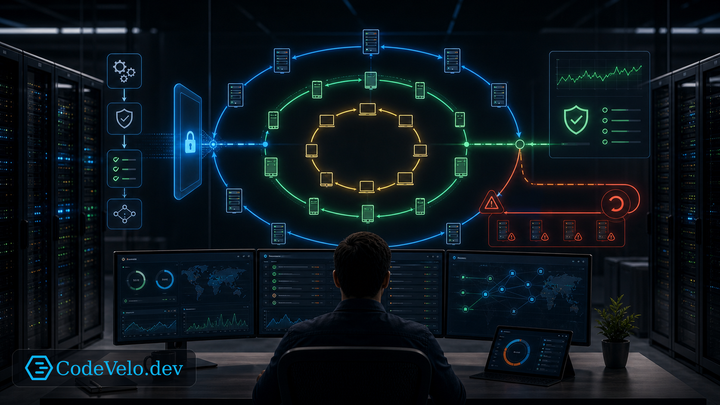
Autonomous patching should decide, stage, verify, and roll back under policy. It should not be a black box with production credentials.
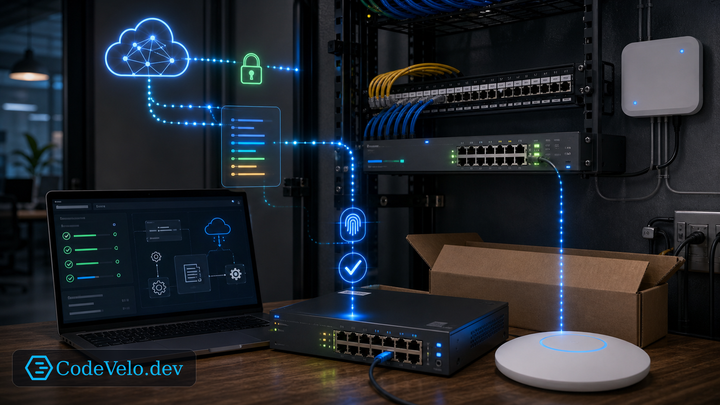
Zero-touch provisioning can bring enterprise-grade consistency to small business networks when identity, templates, and physical labeling are handled carefully.
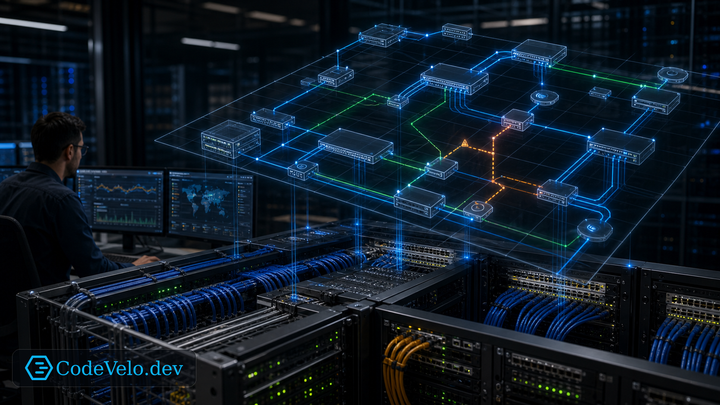
A network digital twin helps teams rehearse change windows before touching production switches, firewalls, or physical paths.