
Dependency Admission Policies for the Build Pipeline
Dependency admission policies evaluate source, maintenance, license, integrity, and risk before packages enter the trusted build path.

Topic
Software engineering field notes for faster, safer delivery: frontend performance, rendering strategy, observability, CI/CD, release controls, and developer workflows.
Dependency admission policies evaluate source, maintenance, license, integrity, and risk before packages enter the trusted build path.
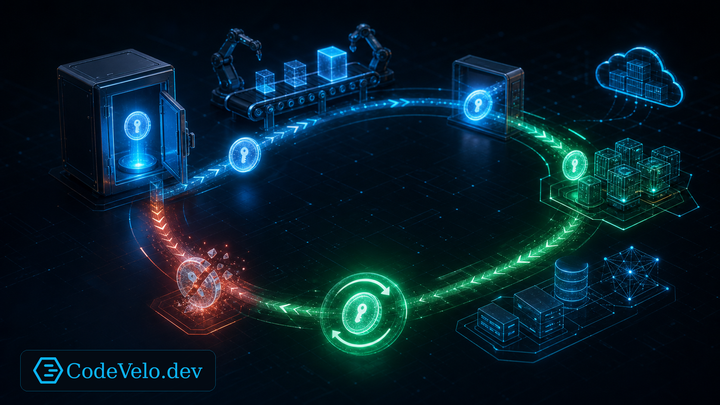
Secrets should be requested, issued, scoped, delivered, observed, rotated, revoked, and destroyed through a controlled lifecycle.
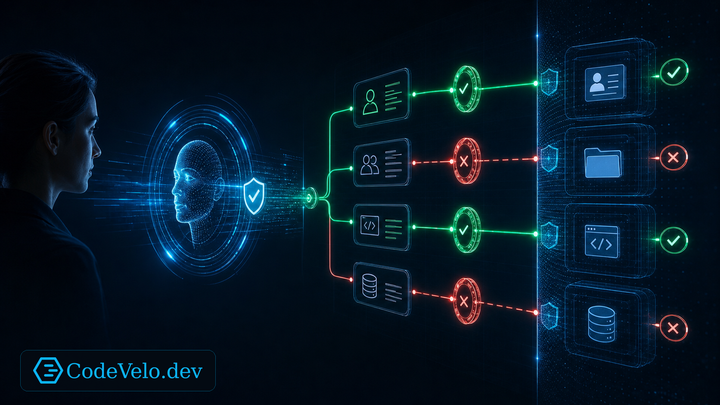
Authentication proves identity; authorization decides what that identity may do in a specific context.

Named service stewardship connects technical health, business purpose, documentation, incidents, and lifecycle decisions.

Production refactoring works best as a sequence of observable, reversible changes tied to product delivery.

Safe schema evolution separates expansion, migration, validation, and cleanup so temporary compatibility code stays temporary.

Technical debt becomes manageable when teams record its purpose, cost, owner, review date, and exit condition.

Healthy dependencies require continuous pruning, controlled updates, ownership, and evidence—not occasional emergency upgrades.

A build artifact should tell a story: source, dependencies, tests, signatures, provenance, and the exact path from commit to deployment.