
Privacy-Aware RUM
Real User Monitoring should explain user experience without collecting more personal data than the team needs to operate the product.

Topic
Software engineering field notes for faster, safer delivery: frontend performance, rendering strategy, observability, CI/CD, release controls, and developer workflows.
Real User Monitoring should explain user experience without collecting more personal data than the team needs to operate the product.
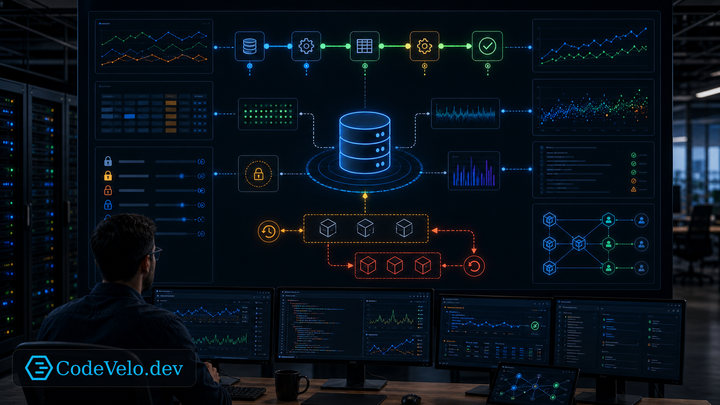
Database changes need their own observability. Migrations, backfills, locks, query plans, and rollback paths should be visible before users feel them.
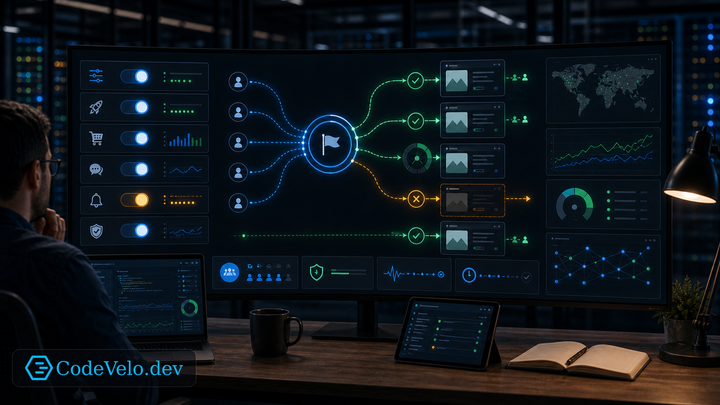
Feature flags are not only release tools. They are operational controls that shape blast radius, recovery, and real-time product behavior.
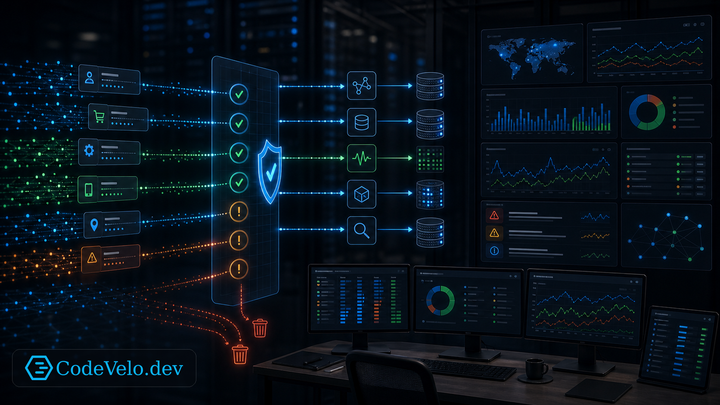
Telemetry events become production interfaces. Treat their names, fields, cardinality, and privacy rules like contracts.
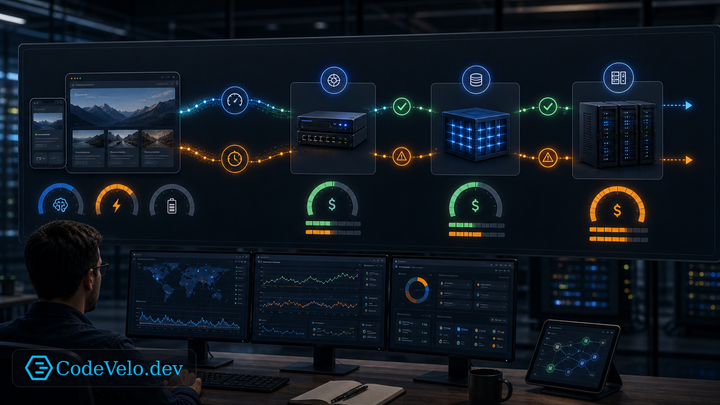
Rendering choices have a cost profile. Frontends should understand when to spend CPU, network, cache, and edge compute.
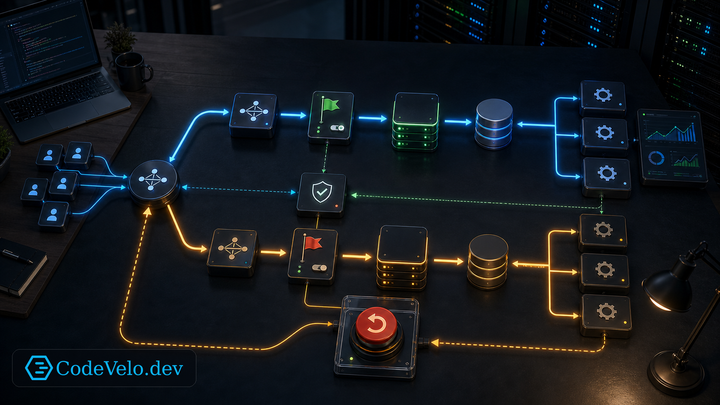
A rollback-first architecture treats recovery as a design requirement, not a hopeful button added after deployment.

AI-generated output needs contracts just like API responses do. Validate shape, source, confidence, and allowed use before the feature reaches users.
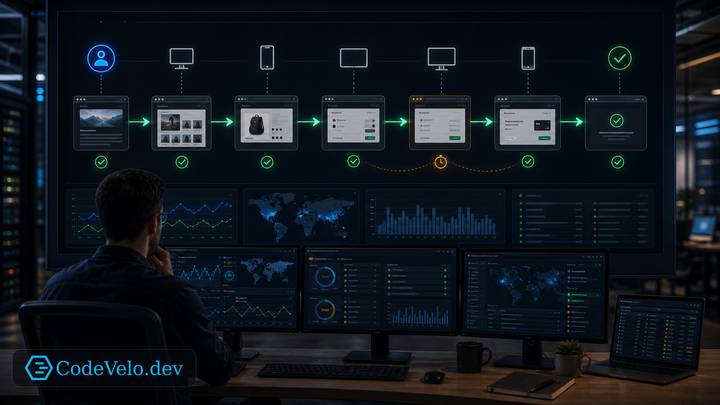
Synthetic users are most valuable when they test full business workflows, not just whether a page returns a 200.
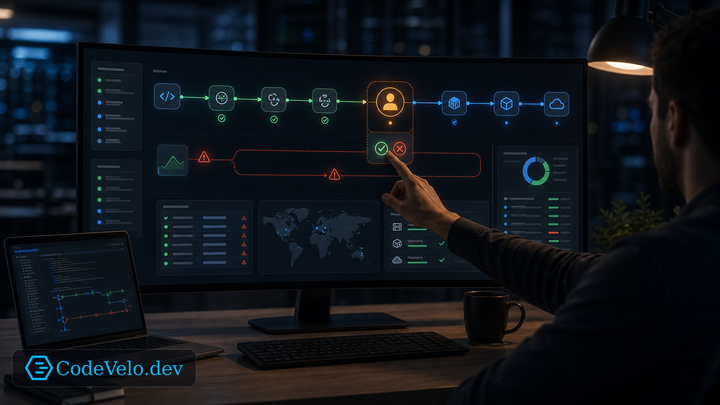
Deployment automation should accelerate safe releases while keeping humans in control of risk, timing, and rollback decisions.