
Prompt Injection at the Frontend Boundary
AI features create new frontend trust boundaries. Treat user content, retrieved documents, and model instructions as separate inputs with different authority.

Topic
Software engineering field notes for faster, safer delivery: frontend performance, rendering strategy, observability, CI/CD, release controls, and developer workflows.
AI features create new frontend trust boundaries. Treat user content, retrieved documents, and model instructions as separate inputs with different authority.

Agentic CI works best when bots reduce investigation time, not when they quietly gain permission to merge risky changes.

Code velocity is not just typing speed. It is the result of workflows that reduce memory burden, context switching, and avoidable uncertainty.

Monitoring tells you something crossed a threshold. Observability helps explain why users are frustrated before the dashboard declares an outage.

Zero-JS is not nostalgia. It is the baseline that lets modern apps keep working when JavaScript, hydration, or edge personalization fails.

Edge systems fail differently than centralized apps. Chaos testing has to include regional outages, stale islands, cache disagreement, and partial user experiences.
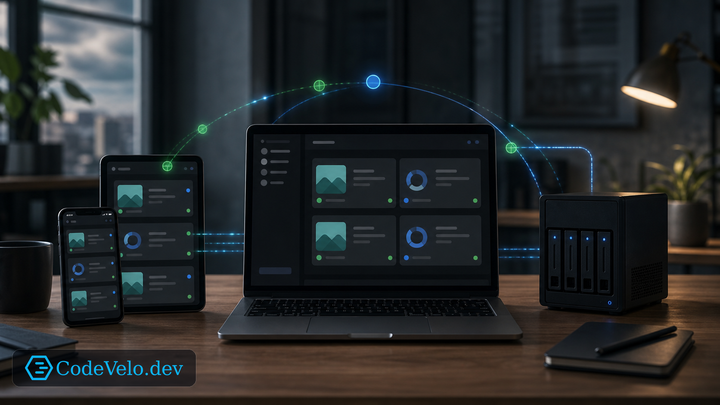
Local-first apps shift the user experience from waiting on the network to reconciling with it. The spinner becomes the exception, not the default.
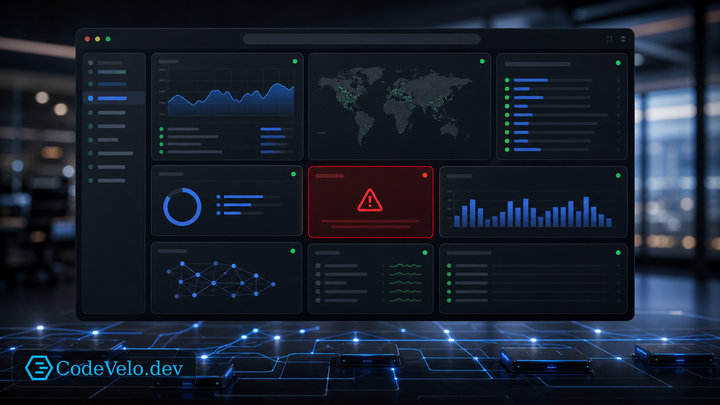
A resilient frontend does not pretend failures will disappear. It contains them, keeps useful UI alive, and gives the edge enough context to recover cleanly.
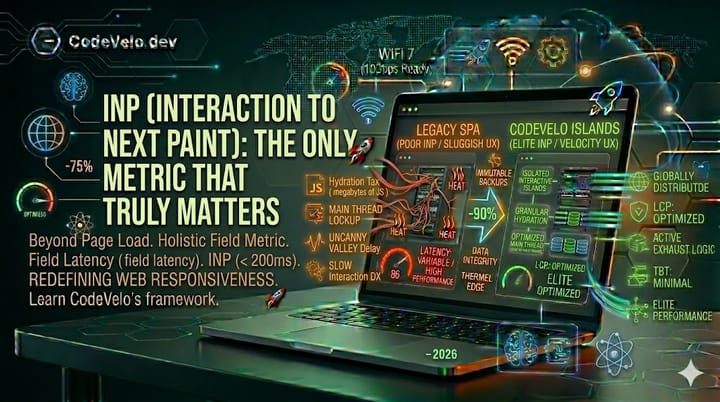
INP measures whether a page responds when users interact with it. Improving it means reducing main-thread work, long tasks, and avoidable JavaScript delays.