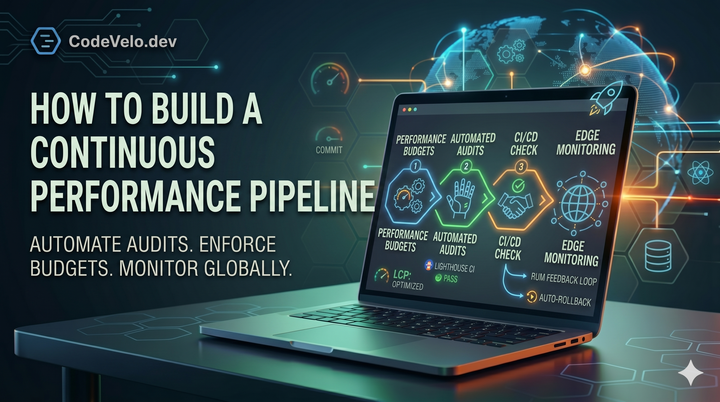
How to Build a Continuous Performance Pipeline
A continuous performance pipeline turns speed into a release gate. Automated audits, budgets, and monitoring keep regressions visible before they reach users.


From the journal
Practical perspectives on infrastructure, software delivery, and the systems connecting them.
A continuous performance pipeline turns speed into a release gate. Automated audits, budgets, and monitoring keep regressions visible before they reach users.

Scaling should not make the user experience slower. Edge logic, caching, and data architecture help growth stay invisible to the people using the application.
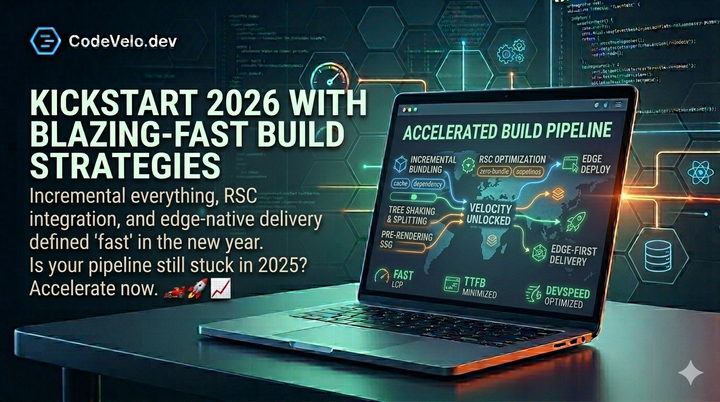
Fast build pipelines depend on incremental work, clear dependency boundaries, and practical caching. Build strategy is now part of developer experience and release reliability.

The 2025 performance story centered on hydration cost, edge delivery, and better measurement. These shifts set the baseline for faster and more resilient 2026 web systems.

Caching works best as a layered system across browser, server, CDN, and edge runtime. The hard part is keeping data fresh while avoiding unnecessary requests.

React Server Components move more rendering work off the client and reduce the JavaScript shipped to users. The benefit depends on data flow, boundaries, and caching strategy.

Lighthouse is not the whole performance story, but it is a useful starting point. Use it to spot Core Web Vitals issues, accessibility gaps, and optimization priorities.

Frontend tooling should reduce build time, debugging friction, and release risk. Vite, faster bundlers, and better diagnostics help teams move without hiding performance costs.
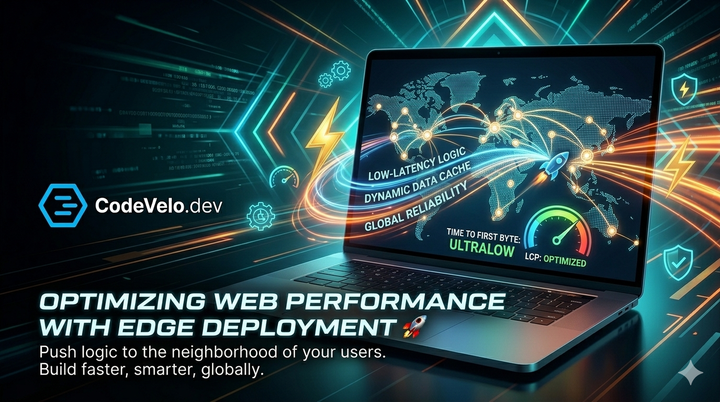
Edge deployment reduces distance between users, assets, and application logic. The result is lower latency, faster responses, and a more resilient delivery path.