
AI-Assisted Web Performance
AI can help surface performance patterns, suggest optimizations, and detect regressions. It works best when paired with budgets, telemetry, and human review.

Topic
Software engineering field notes for faster, safer delivery: frontend performance, rendering strategy, observability, CI/CD, release controls, and developer workflows.
AI can help surface performance patterns, suggest optimizations, and detect regressions. It works best when paired with budgets, telemetry, and human review.

Micro-interactions should improve feedback without blocking the main thread. Careful animation choices preserve responsiveness while still making the interface feel alive.
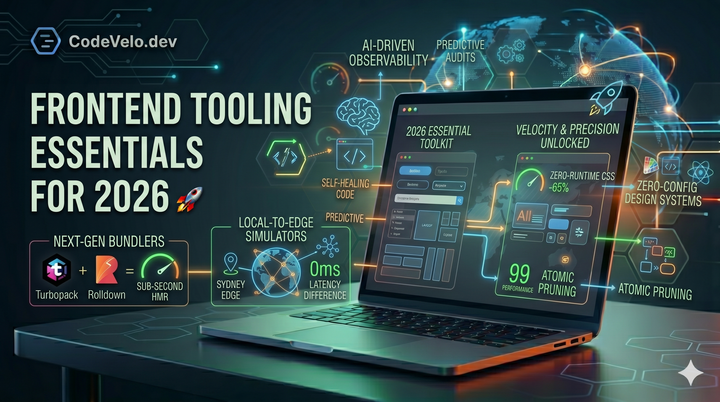
The 2026 frontend stack rewards fast feedback, smaller bundles, and clearer failure signals. Tooling should make performance problems visible during development.
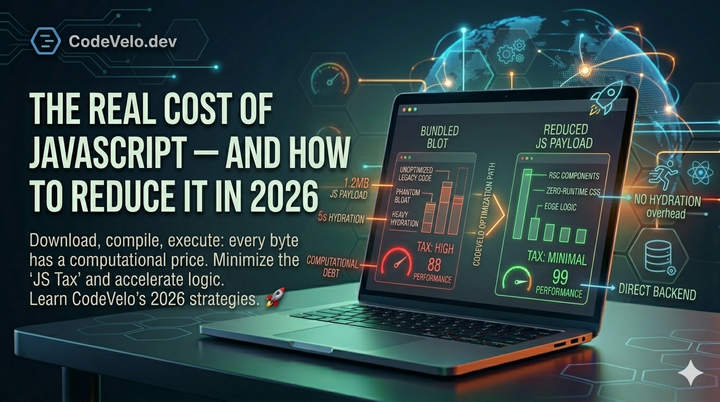
JavaScript has a real cost in download, parse, execution, and interaction delay. Reducing that cost requires better rendering boundaries and less work on the main thread.

Design systems can improve consistency without bloating the frontend. Performance-aware tokens, components, and CSS choices keep interface reuse from becoming runtime cost.

A useful performance audit ends with prioritized work, not a pile of metrics. The Site Speed Framework turns findings into fixes, budgets, and ongoing measurement.
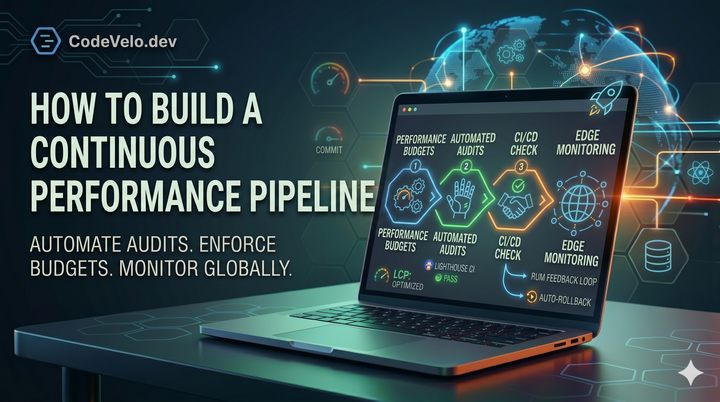
A continuous performance pipeline turns speed into a release gate. Automated audits, budgets, and monitoring keep regressions visible before they reach users.

Scaling should not make the user experience slower. Edge logic, caching, and data architecture help growth stay invisible to the people using the application.
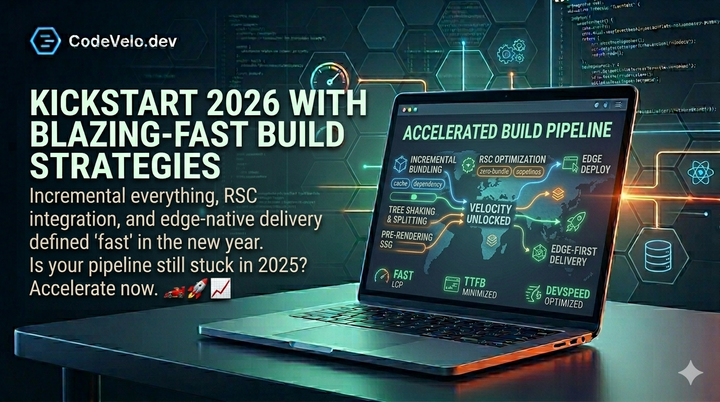
Fast build pipelines depend on incremental work, clear dependency boundaries, and practical caching. Build strategy is now part of developer experience and release reliability.