
Refactoring Production Systems Without Stopping Delivery
Production refactoring works best as a sequence of observable, reversible changes tied to product delivery.

Topic
Production refactoring works best as a sequence of observable, reversible changes tied to product delivery.
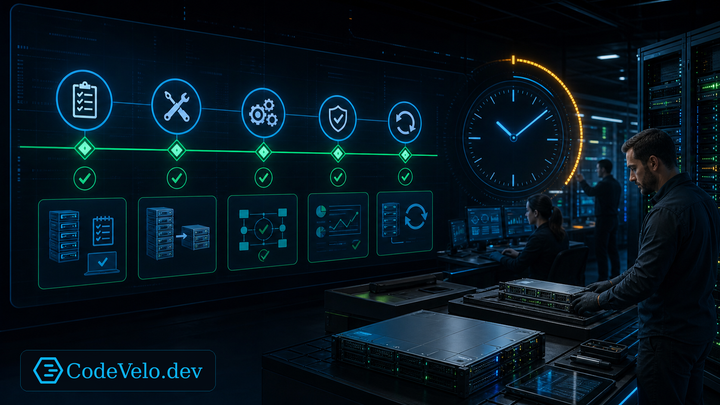
A good maintenance window has a clear customer promise, tested procedure, decision authority, telemetry, and recovery path.
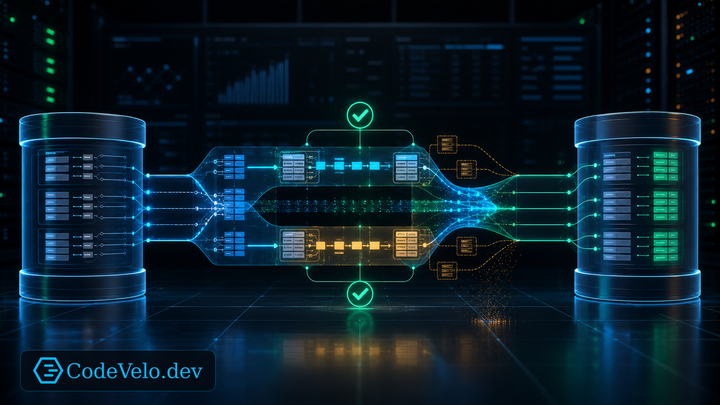
Safe schema evolution separates expansion, migration, validation, and cleanup so temporary compatibility code stays temporary.

Infrastructure replacement should follow condition, support, capacity, and risk instead of waiting for hardware failure.

Technical debt becomes manageable when teams record its purpose, cost, owner, review date, and exit condition.
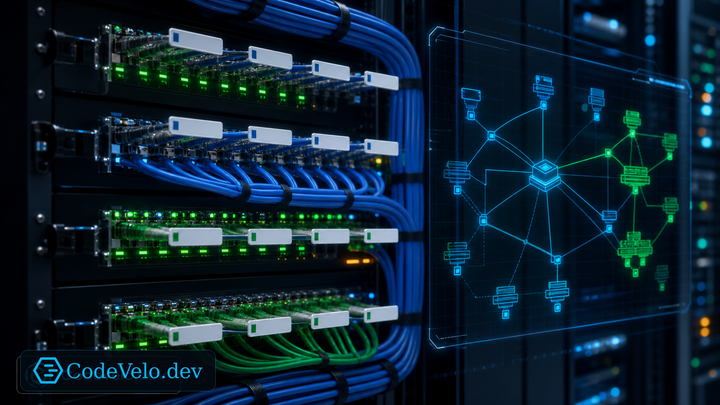
Durable labels connect physical equipment to a maintained source of truth without depending on tribal knowledge.

Healthy dependencies require continuous pruning, controlled updates, ownership, and evidence—not occasional emergency upgrades.

A durable network closet reserves space, power, cooling, pathways, and documentation for changes that have not happened yet.
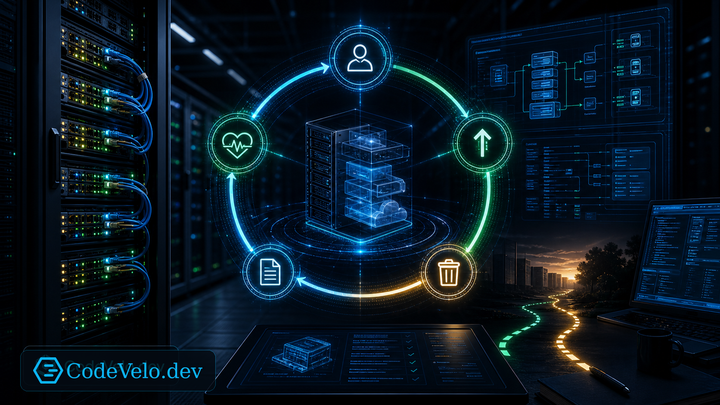
Systems age well when ownership, condition, upgrade paths, documentation, and retirement are designed from the beginning.