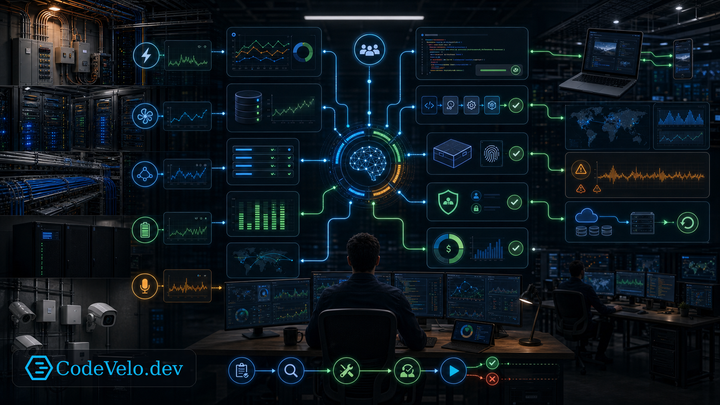
The Measured Stack: CodeVelo's August Ops Intelligence Checklist
A measured stack connects physical telemetry, application events, cost, capacity, privacy, and recovery into one operational intelligence loop.

Topic
A measured stack connects physical telemetry, application events, cost, capacity, privacy, and recovery into one operational intelligence loop.
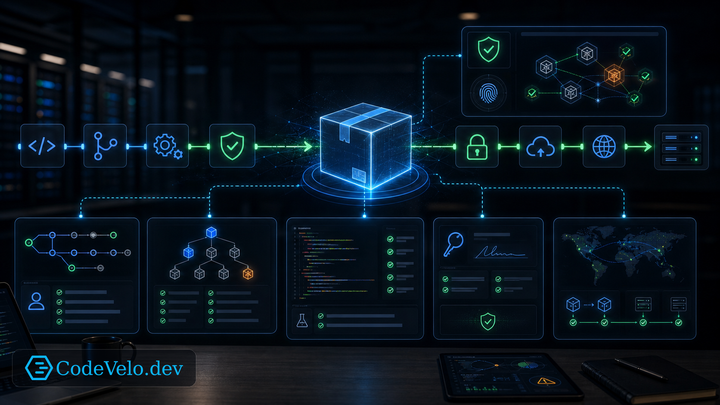
A build artifact should tell a story: source, dependencies, tests, signatures, provenance, and the exact path from commit to deployment.
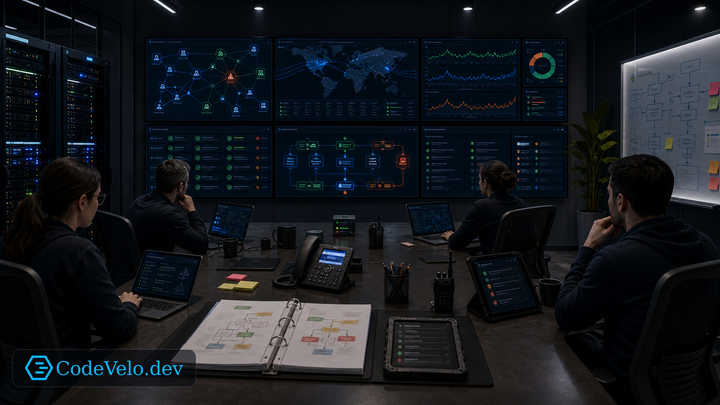
The best incident room is not chaotic. It is a prepared run room with maps, authority, telemetry, and recovery paths ready before the outage.
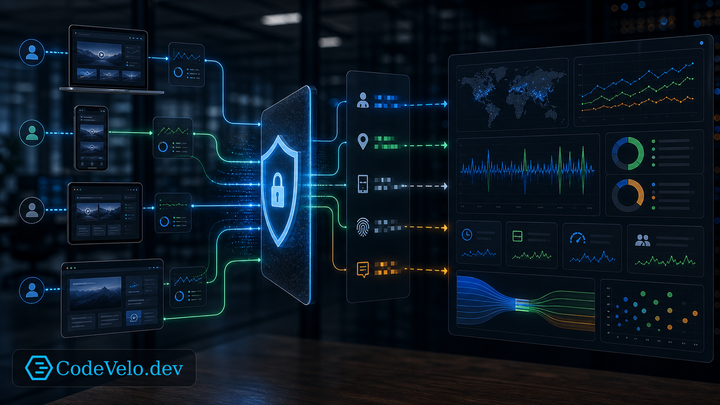
Real User Monitoring should explain user experience without collecting more personal data than the team needs to operate the product.
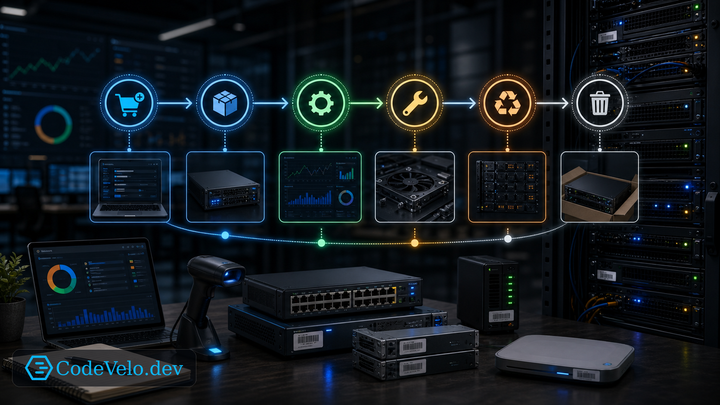
Infrastructure assets should move through a lifecycle: requested, approved, installed, monitored, maintained, retired, and removed from trust.
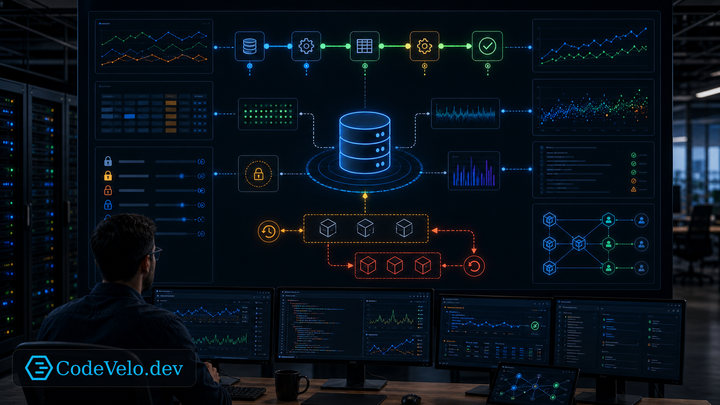
Database changes need their own observability. Migrations, backfills, locks, query plans, and rollback paths should be visible before users feel them.
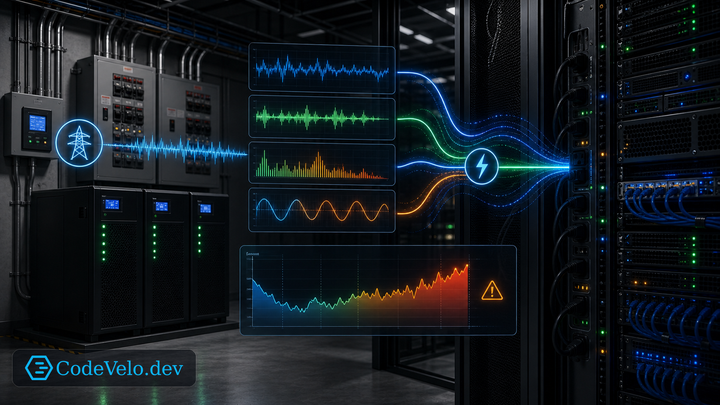
Power quality data can reveal stress before a full outage. Voltage, harmonics, transfer events, and UPS behavior should be part of infrastructure telemetry.
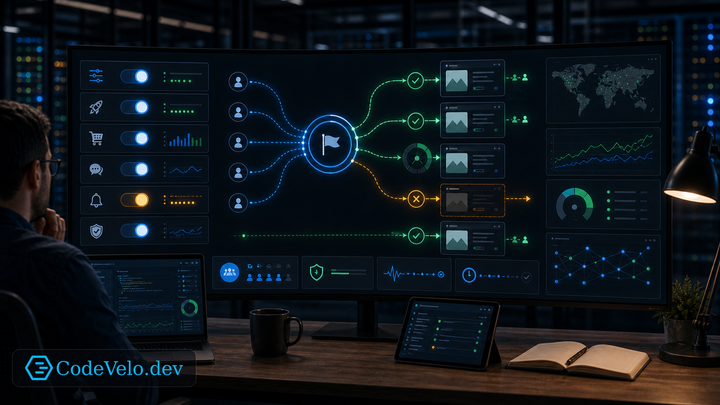
Feature flags are not only release tools. They are operational controls that shape blast radius, recovery, and real-time product behavior.
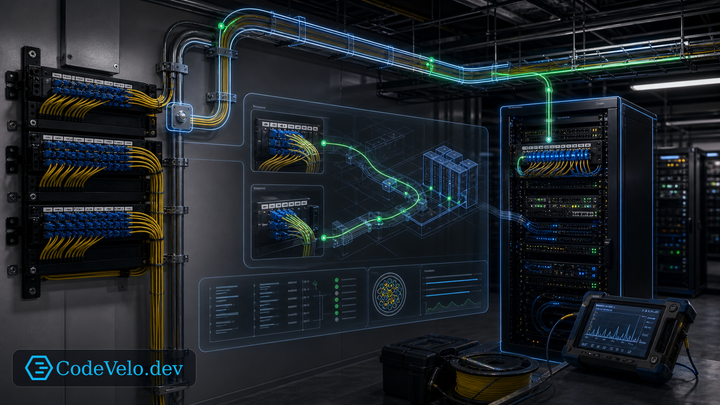
Fiber documentation should describe more than endpoints. It should preserve route, conduit, strand, patch, ownership, and failure-domain context.