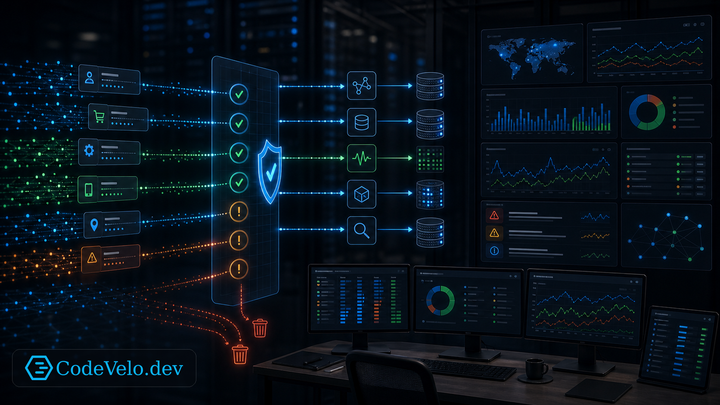
Telemetry Contracts: Designing Events That Survive Scale
Telemetry events become production interfaces. Treat their names, fields, cardinality, and privacy rules like contracts.

Topic
Telemetry events become production interfaces. Treat their names, fields, cardinality, and privacy rules like contracts.
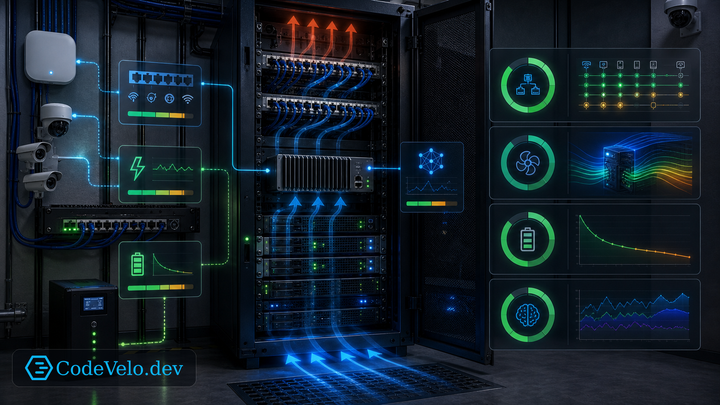
Capacity planning has to connect power, heat, ports, and compute. A rack can be full long before it runs out of space.
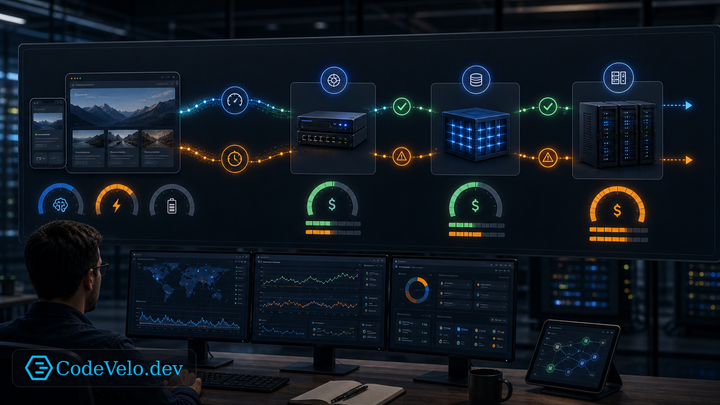
Rendering choices have a cost profile. Frontends should understand when to spend CPU, network, cache, and edge compute.
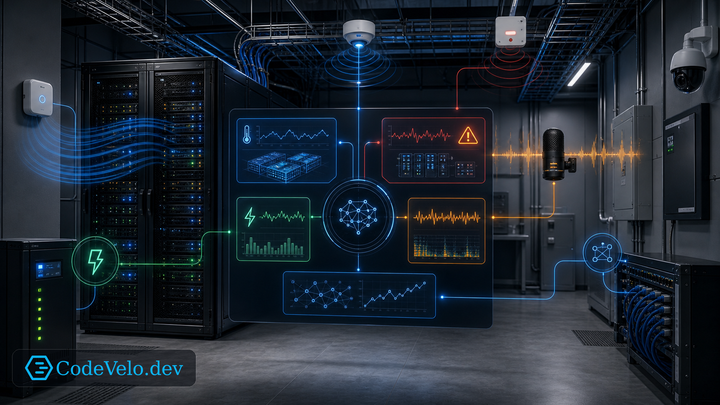
A smart server room is not a room with more sensors. It is a room where temperature, power, airflow, acoustic, and network signals explain each other.
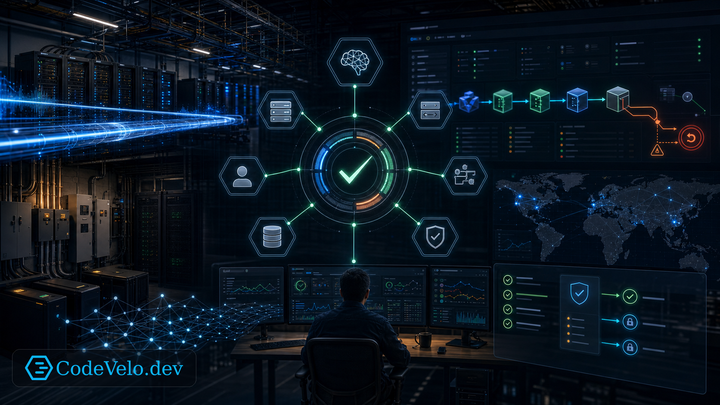
Automation should be fast, observable, bounded, and reversible. This July checklist reviews trust from the wiring closet to the deployment pipeline.
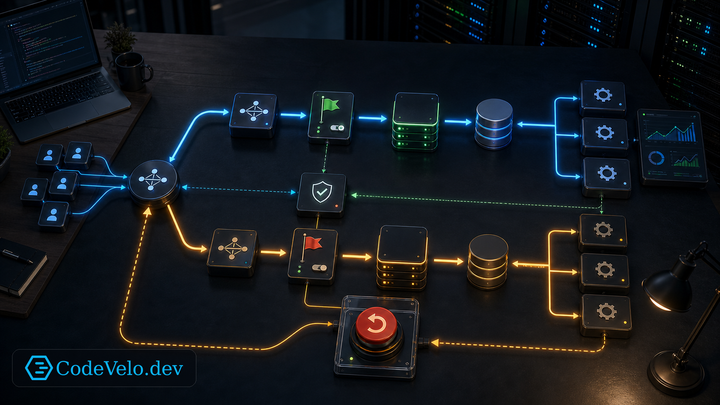
A rollback-first architecture treats recovery as a design requirement, not a hopeful button added after deployment.
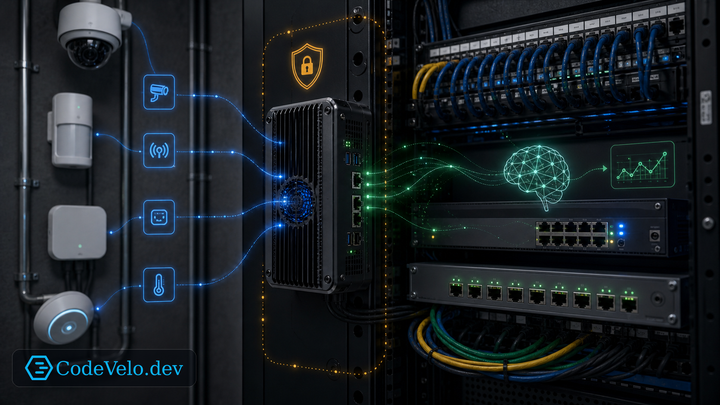
Edge AI gateways bring inference close to cameras, sensors, and access systems, but the wiring closet needs power, cooling, security, and lifecycle planning.
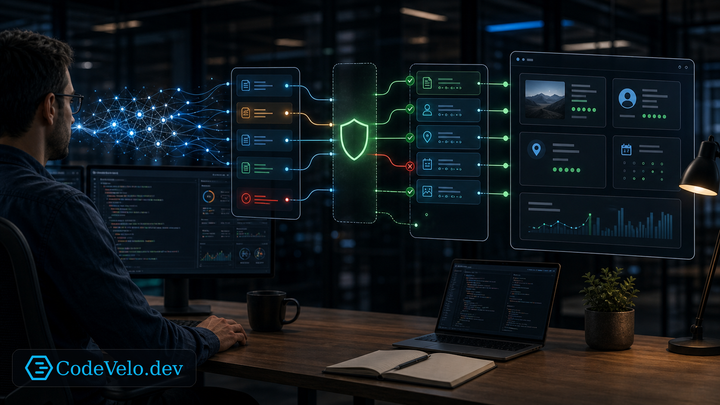
AI-generated output needs contracts just like API responses do. Validate shape, source, confidence, and allowed use before the feature reaches users.
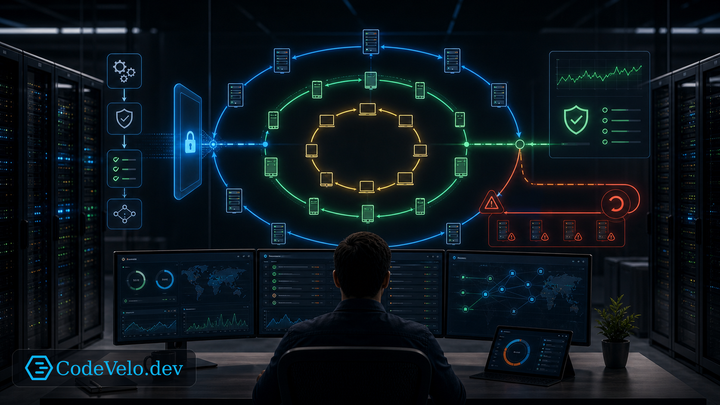
Autonomous patching should decide, stage, verify, and roll back under policy. It should not be a black box with production credentials.