
Synthetic Users: Testing Workflows, Not Pages
Synthetic users are most valuable when they test full business workflows, not just whether a page returns a 200.

Topic
Synthetic users are most valuable when they test full business workflows, not just whether a page returns a 200.

Zero-touch provisioning can bring enterprise-grade consistency to small business networks when identity, templates, and physical labeling are handled carefully.

Deployment automation should accelerate safe releases while keeping humans in control of risk, timing, and rollback decisions.

A network digital twin helps teams rehearse change windows before touching production switches, firewalls, or physical paths.
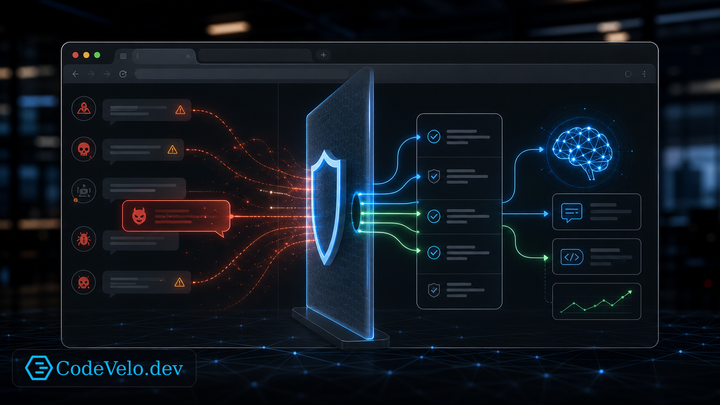
AI features create new frontend trust boundaries. Treat user content, retrieved documents, and model instructions as separate inputs with different authority.

Smart PDUs become more valuable when power control is tied to policy, priority, and recovery order instead of ad hoc remote clicks.

Agentic CI works best when bots reduce investigation time, not when they quietly gain permission to merge risky changes.

AI runbooks can make small infrastructure teams faster, but only when they are grounded in real topology, verified procedures, and clear escalation rules.

A practical hardening checklist that connects the physical layer, the network, the application, and the browser into one resilience review.