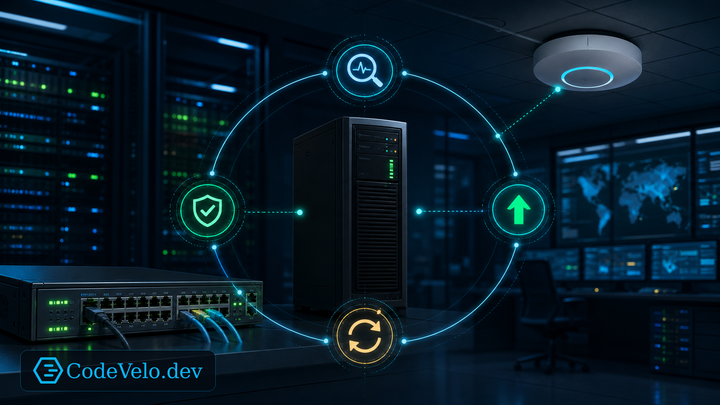
Lifecycle Planning for Switches, UPS Units, and Access Points
Infrastructure replacement should follow condition, support, capacity, and risk instead of waiting for hardware failure.

Topic
Infrastructure replacement should follow condition, support, capacity, and risk instead of waiting for hardware failure.
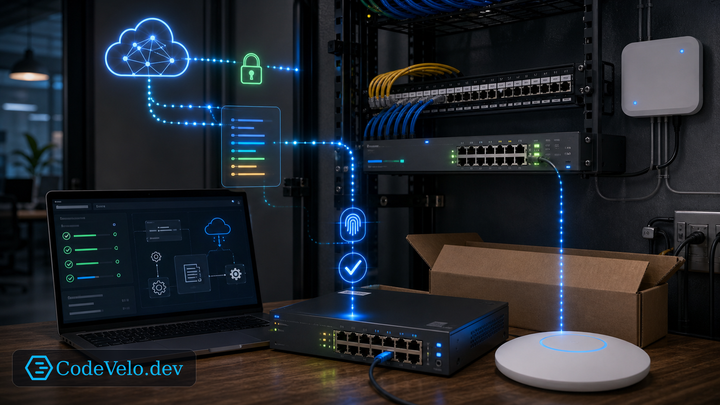
Zero-touch provisioning can bring enterprise-grade consistency to small business networks when identity, templates, and physical labeling are handled carefully.
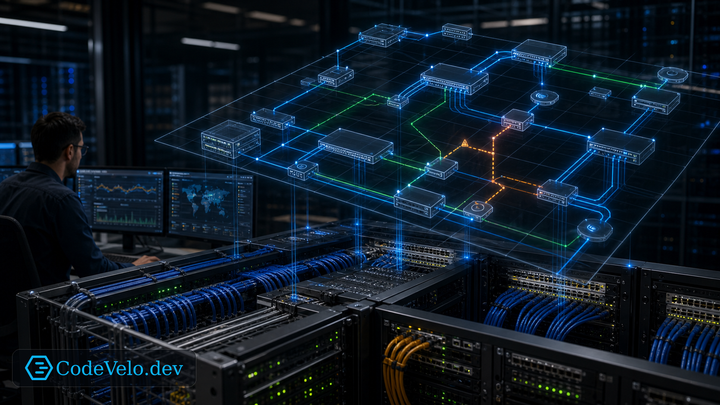
A network digital twin helps teams rehearse change windows before touching production switches, firewalls, or physical paths.
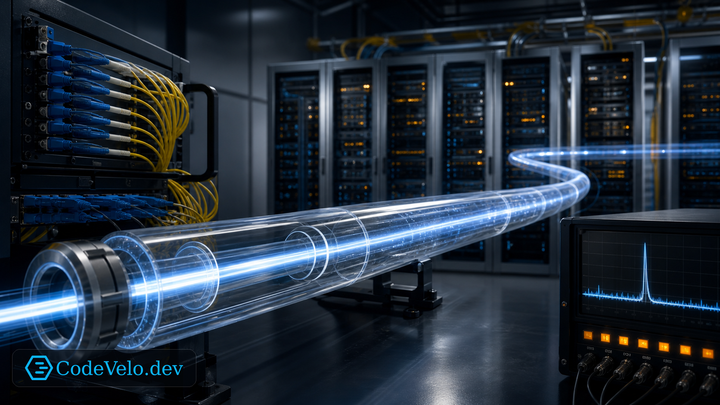
Latency work eventually runs into physics. Hollow-core fiber changes the conversation by moving the signal through air instead of solid glass.
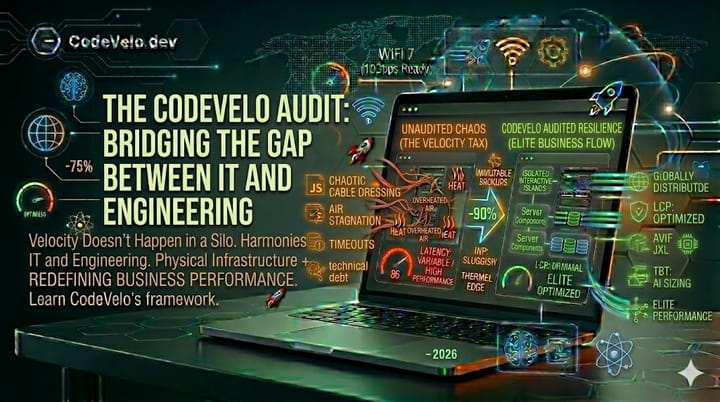
The CodeVelo Audit connects infrastructure, software delivery, and business operations. It helps teams find the bottlenecks that sit between network hardware and application code.
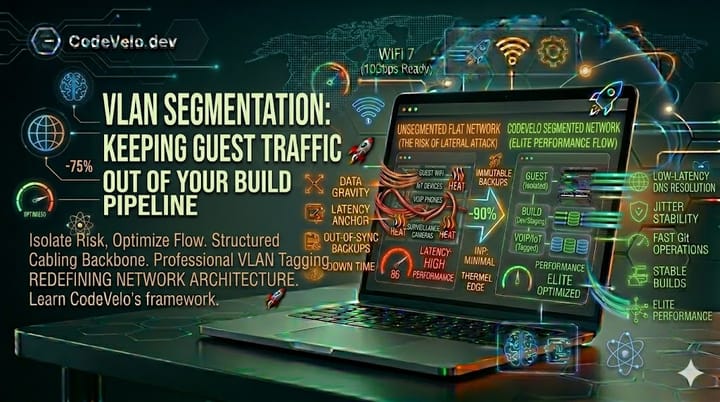
A flat network lets unrelated devices share too much trust. VLAN segmentation separates guests, cameras, workstations, servers, and build systems by risk.
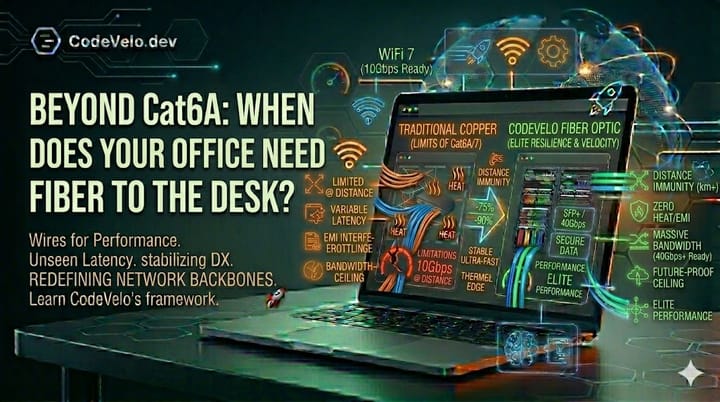
Fiber-to-the-desk starts to matter when distance, bandwidth, EMI, or heat make copper the wrong fit. The decision should follow workload and facility constraints.
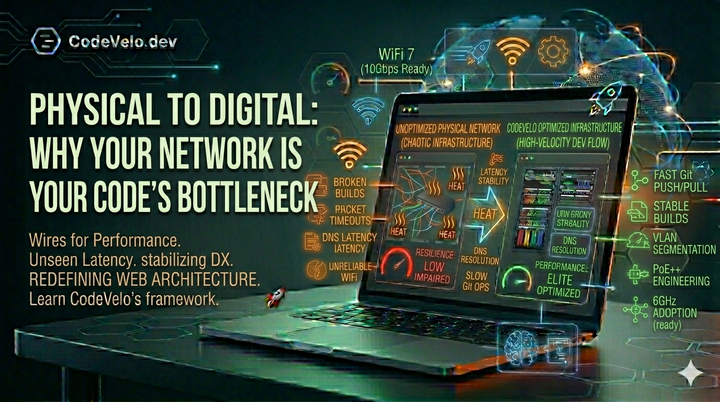
Software delivery is affected by the physical network underneath it. DNS latency, jitter, switching, and cabling can all slow development and production workflows.
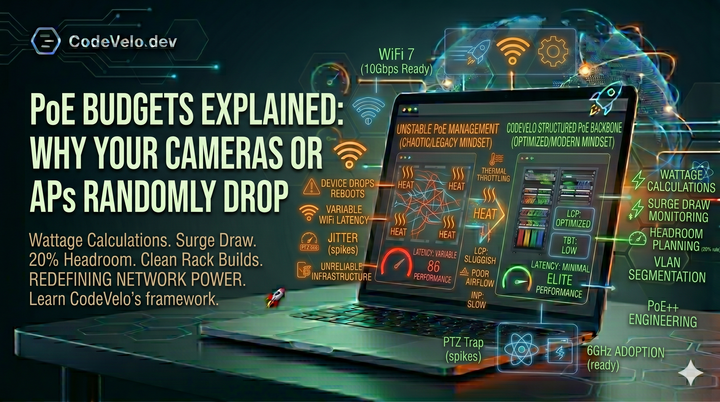
Unexpected device drops often start with PoE budget mistakes. Calculate draw, startup behavior, and headroom before blaming cameras, access points, or switches.