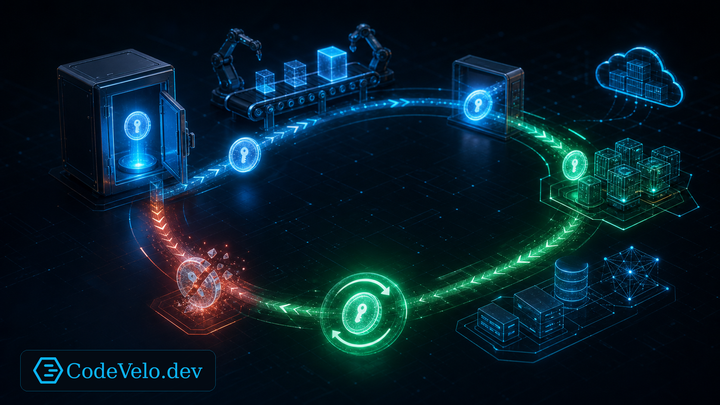
Secrets Have Lifecycles Too
Secrets should be requested, issued, scoped, delivered, observed, rotated, revoked, and destroyed through a controlled lifecycle.

Topic
Secrets should be requested, issued, scoped, delivered, observed, rotated, revoked, and destroyed through a controlled lifecycle.

Useful segmentation separates systems by trust, exposure, impact, and management needs instead of organizational charts alone.
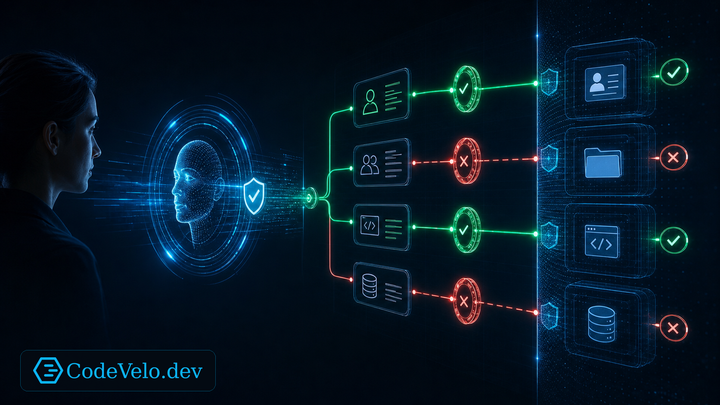
Authentication proves identity; authorization decides what that identity may do in a specific context.
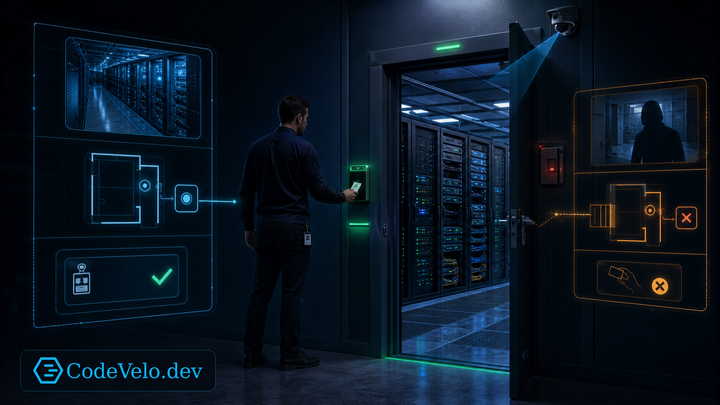
Physical access controls should connect identity, authorization, evidence, environmental safety, and emergency recovery.
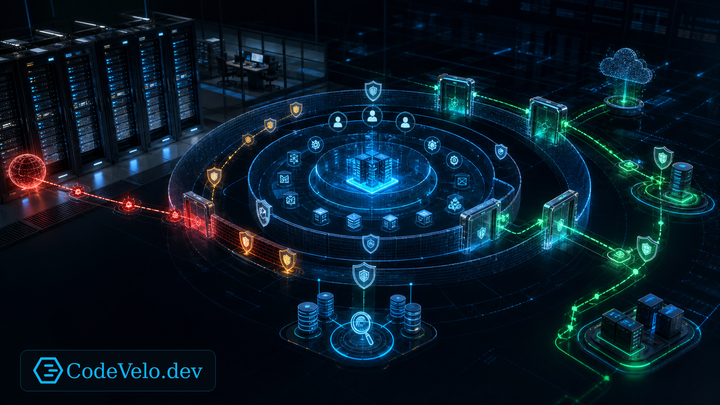
A defensible stack limits trust, contains failure, preserves evidence, and provides safe recovery from the rack to the runtime.

The Longevity Audit reviews ownership, condition, upgrade paths, documentation, and retirement across infrastructure and software.
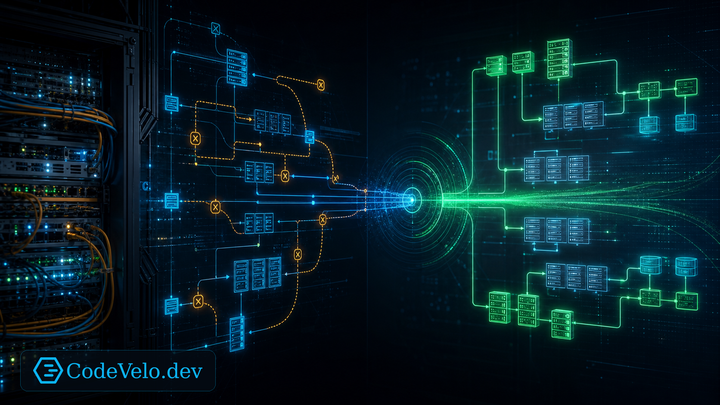
Documentation stays trustworthy when it is owned, tested against reality, and updated through the same workflow as the system.

Named service stewardship connects technical health, business purpose, documentation, incidents, and lifecycle decisions.
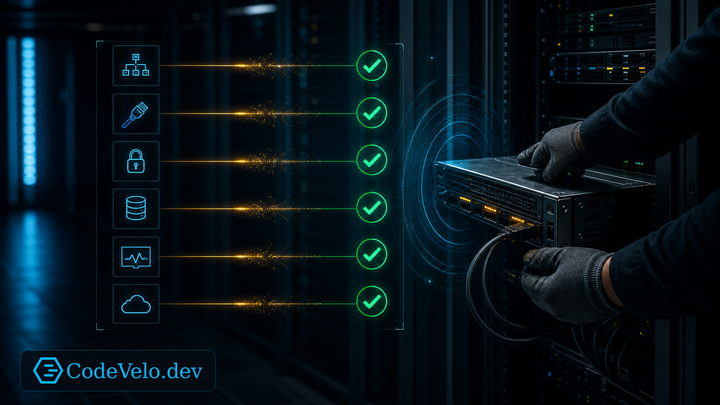
Complete decommissioning removes equipment, access, data, monitoring, billing, dependencies, and obsolete records together.