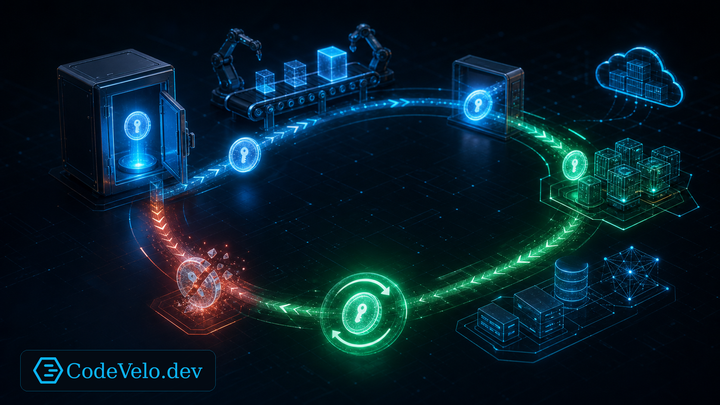
Secrets Have Lifecycles Too
Secrets should be requested, issued, scoped, delivered, observed, rotated, revoked, and destroyed through a controlled lifecycle.

Topic
Secrets should be requested, issued, scoped, delivered, observed, rotated, revoked, and destroyed through a controlled lifecycle.

Useful segmentation separates systems by trust, exposure, impact, and management needs instead of organizational charts alone.
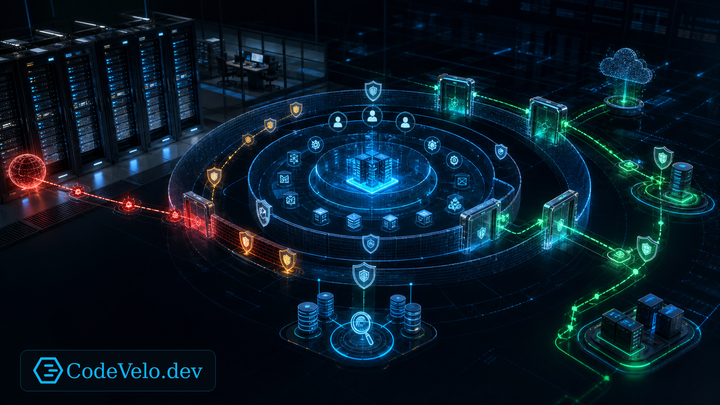
A defensible stack limits trust, contains failure, preserves evidence, and provides safe recovery from the rack to the runtime.
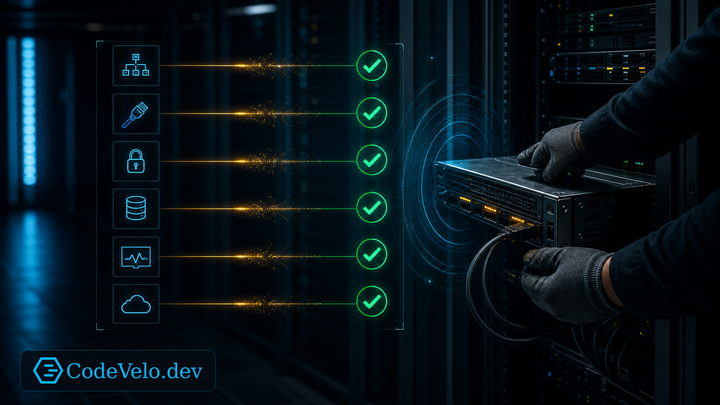
Complete decommissioning removes equipment, access, data, monitoring, billing, dependencies, and obsolete records together.

Healthy dependencies require continuous pruning, controlled updates, ownership, and evidence—not occasional emergency upgrades.
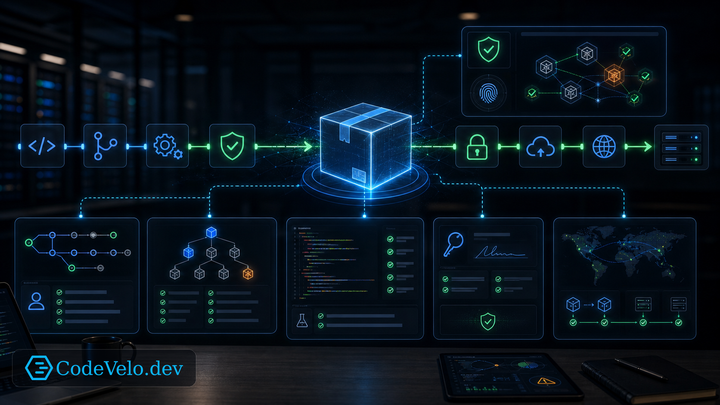
A build artifact should tell a story: source, dependencies, tests, signatures, provenance, and the exact path from commit to deployment.

Autonomous patching should decide, stage, verify, and roll back under policy. It should not be a black box with production credentials.
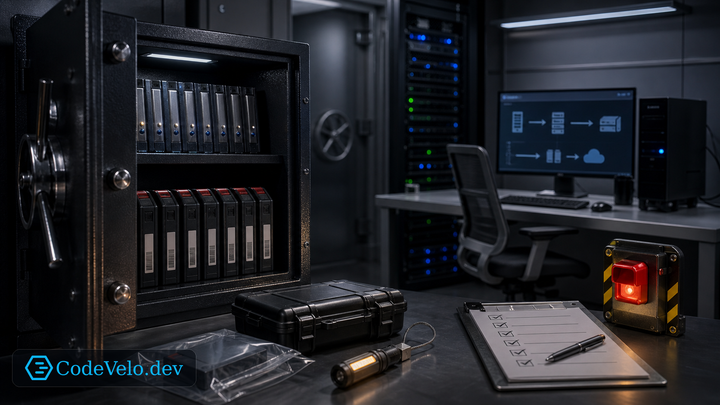
Immutable backups are only useful if the team can recover from them under pressure. The break-glass protocol turns cold storage into an executable plan.