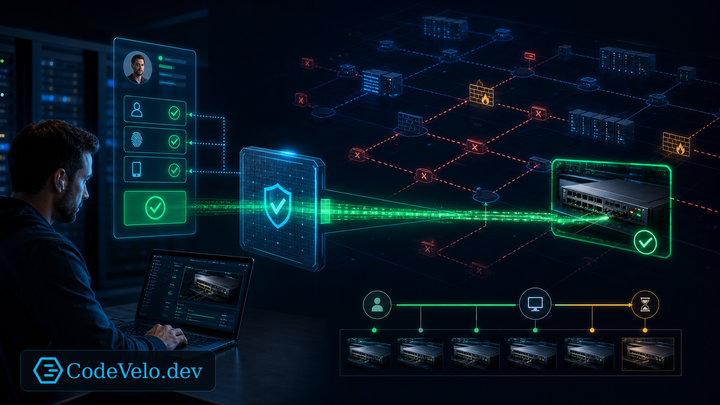
Vendor Remote Access Without Permanent Trust
Vendor access should be named, scoped, approved, observed, time-limited, and removed when the work is complete.


From the journal
Practical perspectives on infrastructure, software delivery, and the systems connecting them.
Vendor access should be named, scoped, approved, observed, time-limited, and removed when the work is complete.
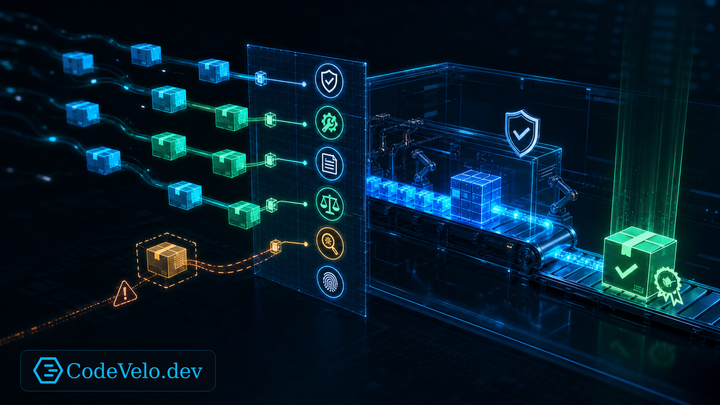
Dependency admission policies evaluate source, maintenance, license, integrity, and risk before packages enter the trusted build path.
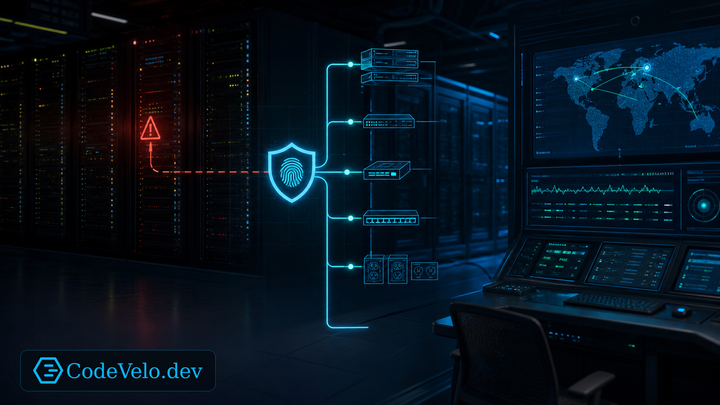
Out-of-band management must remain isolated, attributable, and available when the production network cannot be trusted.

Secrets should be requested, issued, scoped, delivered, observed, rotated, revoked, and destroyed through a controlled lifecycle.

Useful segmentation separates systems by trust, exposure, impact, and management needs instead of organizational charts alone.
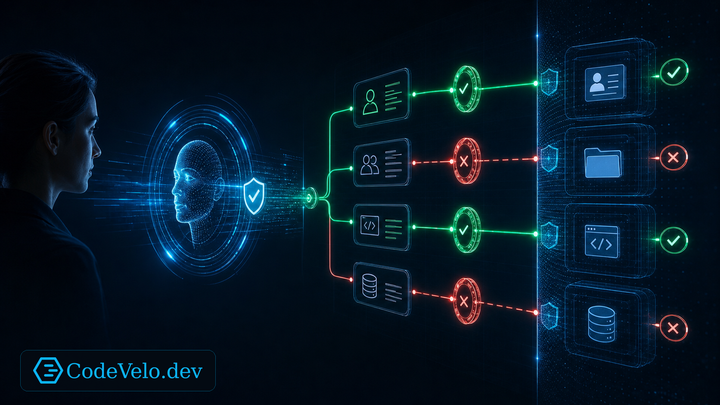
Authentication proves identity; authorization decides what that identity may do in a specific context.
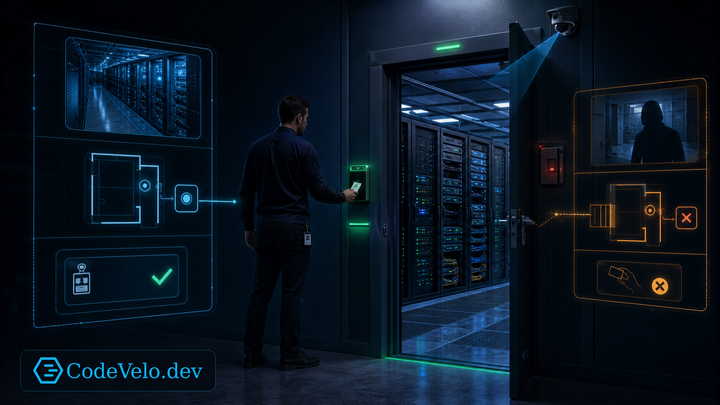
Physical access controls should connect identity, authorization, evidence, environmental safety, and emergency recovery.
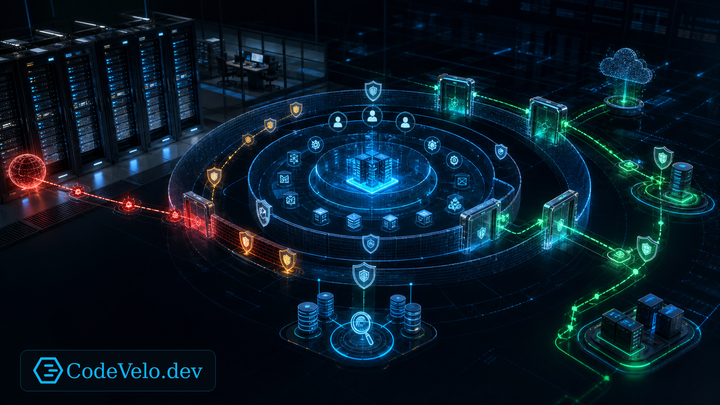
A defensible stack limits trust, contains failure, preserves evidence, and provides safe recovery from the rack to the runtime.

The Longevity Audit reviews ownership, condition, upgrade paths, documentation, and retirement across infrastructure and software.