
Islands Architecture: Mixing React and Static HTML for Maximum Speed
Islands architecture keeps static HTML as the baseline and hydrates only the interactive parts. That split can reduce JavaScript cost without giving up rich UI.


From the journal
Practical perspectives on infrastructure, software delivery, and the systems connecting them.
Islands architecture keeps static HTML as the baseline and hydrates only the interactive parts. That split can reduce JavaScript cost without giving up rich UI.

UPS sizing for PoE switches requires more than counting outlets. Power draw, surge behavior, runtime targets, and waveform quality all affect reliability.

Image strategy affects LCP, bandwidth, and visual quality. AVIF, JPEG XL, responsive sizing, and quality automation all help reduce unnecessary page weight.

A flat network lets unrelated devices share too much trust. VLAN segmentation separates guests, cameras, workstations, servers, and build systems by risk.

The 3-2-1-1 backup rule adds immutable recovery to traditional backup planning. It helps teams survive ransomware that targets backup systems first.
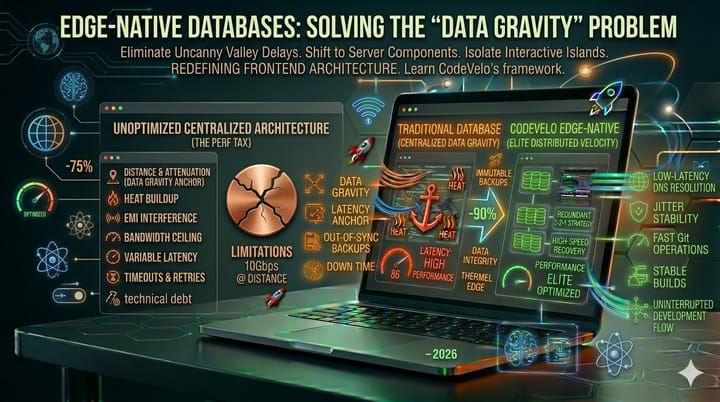
Edge-native databases reduce the distance between users and data, but they also introduce consistency and operational tradeoffs that teams need to design for.

Wi-Fi 7 improves more than peak throughput. Multi-link operation, spectrum planning, and wired backhaul determine whether the upgrade improves business reliability.
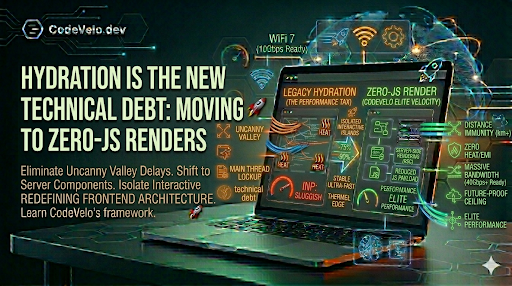
Hydration can turn fast HTML into a slow interaction path. Zero-JS rendering and server components help teams reserve client JavaScript for where it is needed.

Fiber-to-the-desk starts to matter when distance, bandwidth, EMI, or heat make copper the wrong fit. The decision should follow workload and facility constraints.