
Chaos Engineering for the Edge
Edge systems fail differently than centralized apps. Chaos testing has to include regional outages, stale islands, cache disagreement, and partial user experiences.


From the journal
Practical perspectives on infrastructure, software delivery, and the systems connecting them.
Edge systems fail differently than centralized apps. Chaos testing has to include regional outages, stale islands, cache disagreement, and partial user experiences.
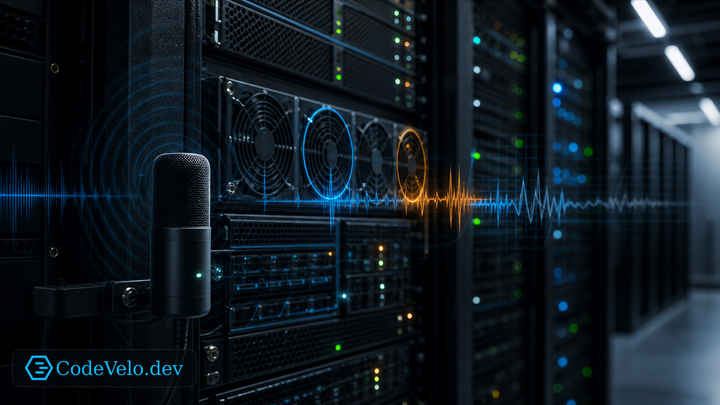
Fans, bearings, and power supplies often sound unhealthy before they fail. Acoustic monitoring turns the rack into another source of operational telemetry.
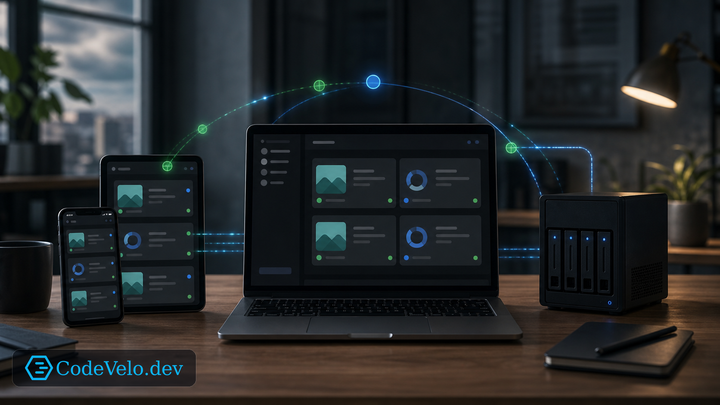
Local-first apps shift the user experience from waiting on the network to reconciling with it. The spinner becomes the exception, not the default.

Latency work eventually runs into physics. Hollow-core fiber changes the conversation by moving the signal through air instead of solid glass.
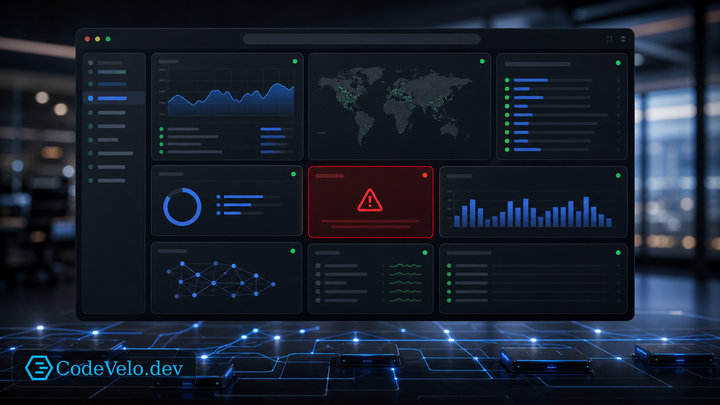
A resilient frontend does not pretend failures will disappear. It contains them, keeps useful UI alive, and gives the edge enough context to recover cleanly.
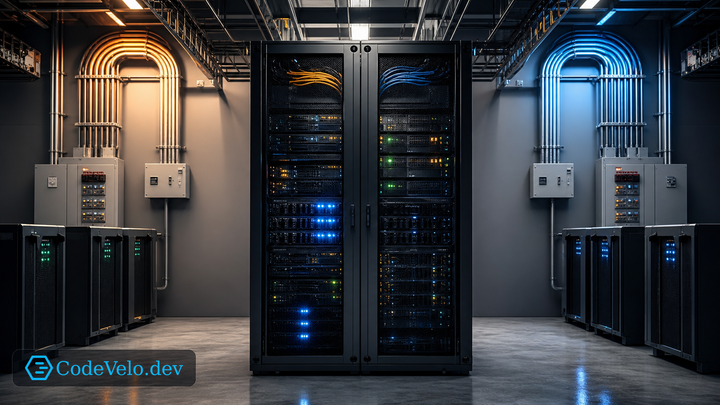
A UPS protects you from seconds of power instability. Dual-grid entry protects you from losing the building. Here is how mission-critical teams design diverse power paths before the battery ever has to work.
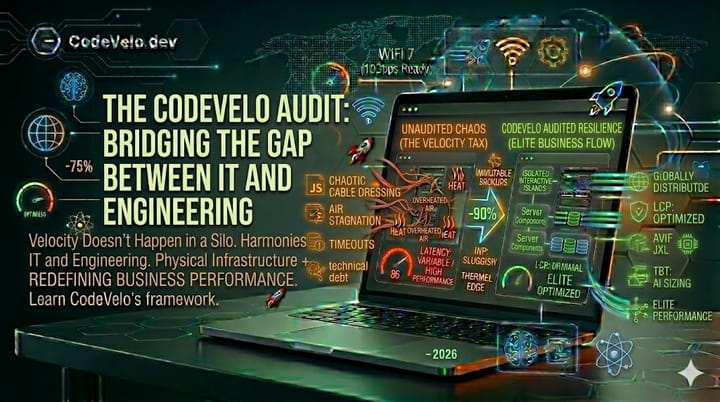
The CodeVelo Audit connects infrastructure, software delivery, and business operations. It helps teams find the bottlenecks that sit between network hardware and application code.
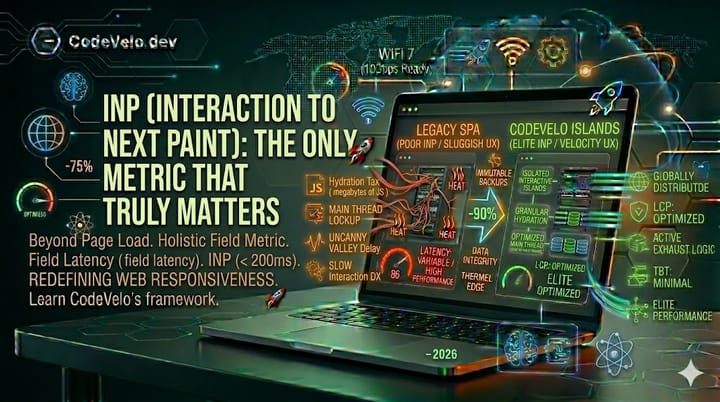
INP measures whether a page responds when users interact with it. Improving it means reducing main-thread work, long tasks, and avoidable JavaScript delays.
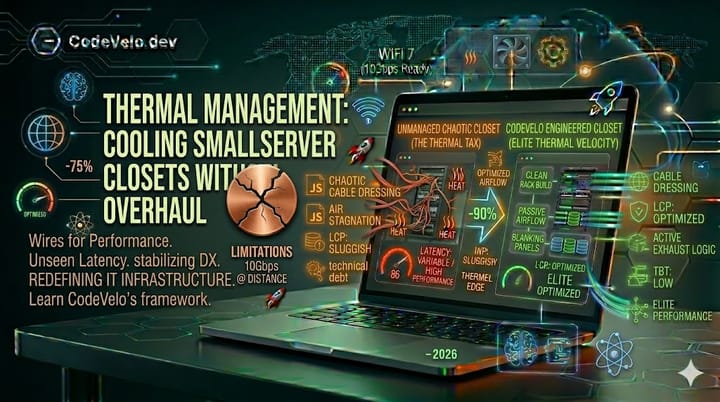
Small server closets fail quietly when heat has nowhere to go. Airflow, blanking, equipment placement, and active exhaust can extend reliability without a full HVAC rebuild.