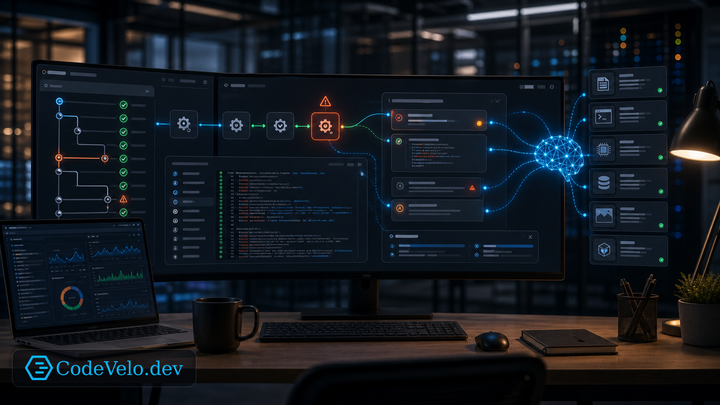
Agentic CI: Letting Bots Triage the Build
Agentic CI works best when bots reduce investigation time, not when they quietly gain permission to merge risky changes.


From the journal
Practical perspectives on infrastructure, software delivery, and the systems connecting them.
Agentic CI works best when bots reduce investigation time, not when they quietly gain permission to merge risky changes.
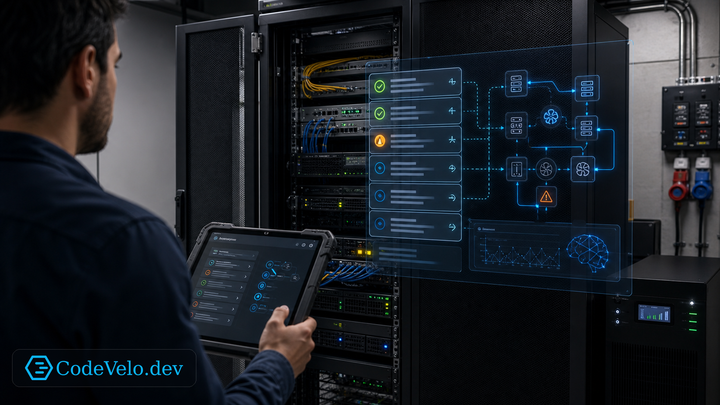
AI runbooks can make small infrastructure teams faster, but only when they are grounded in real topology, verified procedures, and clear escalation rules.
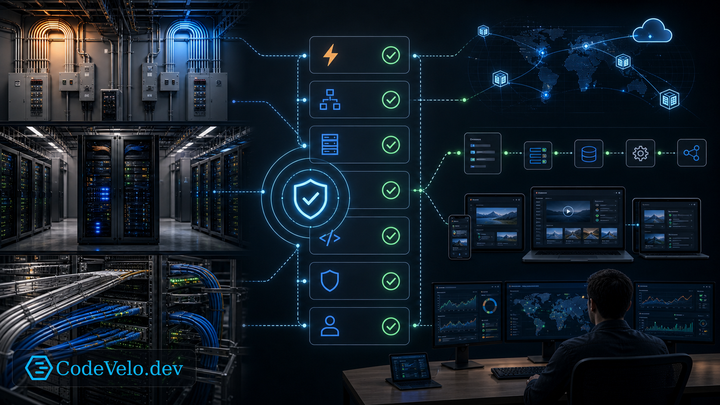
A practical hardening checklist that connects the physical layer, the network, the application, and the browser into one resilience review.

Code velocity is not just typing speed. It is the result of workflows that reduce memory burden, context switching, and avoidable uncertainty.

Active-active office hubs require more than duplicate equipment. Fiber paths, identity, storage, and network design all have to agree on failover.

Monitoring tells you something crossed a threshold. Observability helps explain why users are frustrated before the dashboard declares an outage.
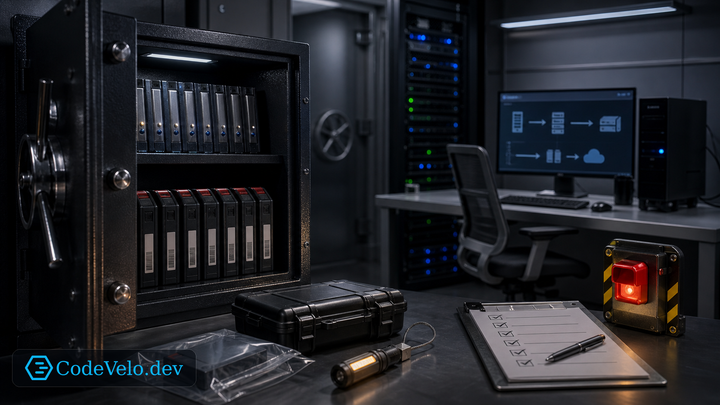
Immutable backups are only useful if the team can recover from them under pressure. The break-glass protocol turns cold storage into an executable plan.

Zero-JS is not nostalgia. It is the baseline that lets modern apps keep working when JavaScript, hydration, or edge personalization fails.

High-density 10Gbps cabling can turn small physical mistakes into real performance problems. Shielding, routing, and grounding all matter.