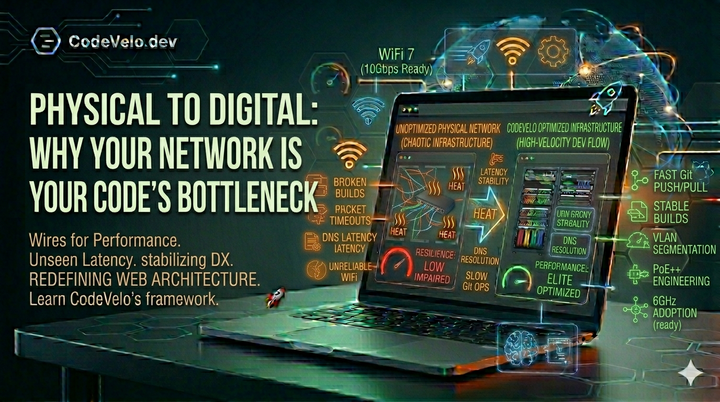
Physical to Digital: Why Your Network is Your Code’s Bottleneck
Software delivery is affected by the physical network underneath it. DNS latency, jitter, switching, and cabling can all slow development and production workflows.


From the journal
Practical perspectives on infrastructure, software delivery, and the systems connecting them.
Software delivery is affected by the physical network underneath it. DNS latency, jitter, switching, and cabling can all slow development and production workflows.
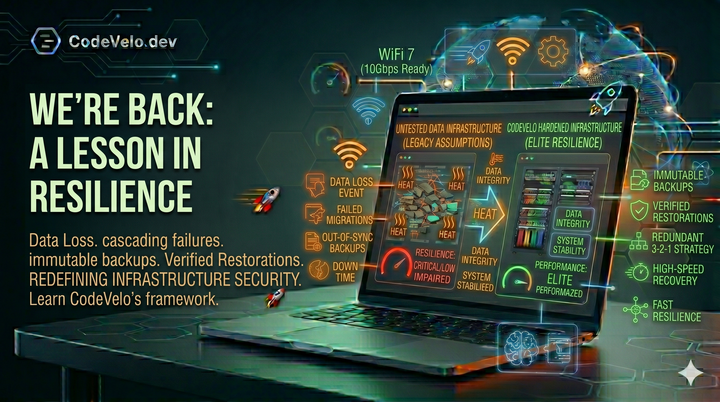
Resilience becomes concrete when recovery is tested under pressure. This return note reflects on backups, continuity, and the systems that make publishing reliable.

Third-party scripts can delay rendering, block interaction, and obscure accountability. Manage them with budgets, ownership, loading strategy, and regular review.

Unexpected device drops often start with PoE budget mistakes. Calculate draw, startup behavior, and headroom before blaming cameras, access points, or switches.
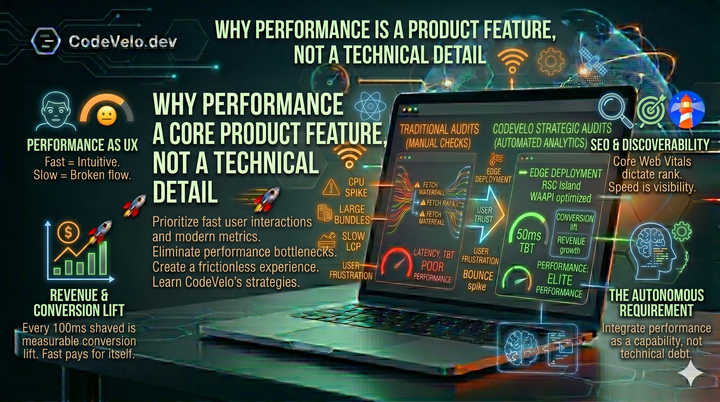
Performance affects conversion, retention, search visibility, and trust. Treating speed as a product feature makes it part of planning instead of cleanup.
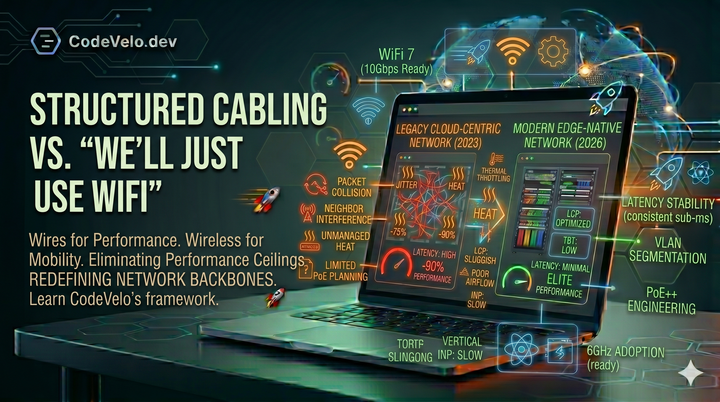
Wi-Fi is useful for mobility, but structured cabling still carries the dependable workloads. Good network design uses both for the jobs they handle best.
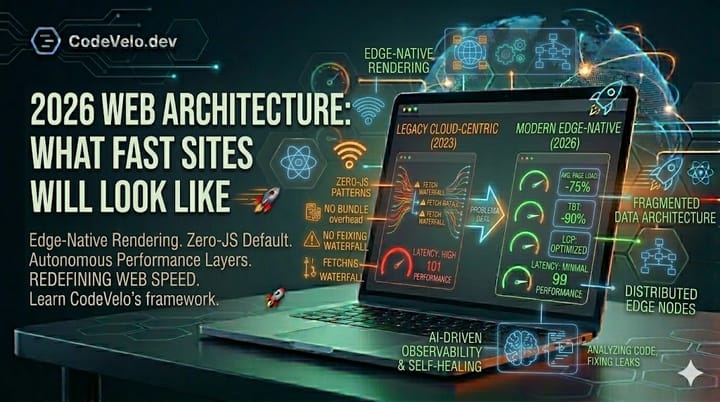
Fast 2026 web architecture combines edge delivery, lean JavaScript, resilient data paths, and measurement that reflects real user experience.
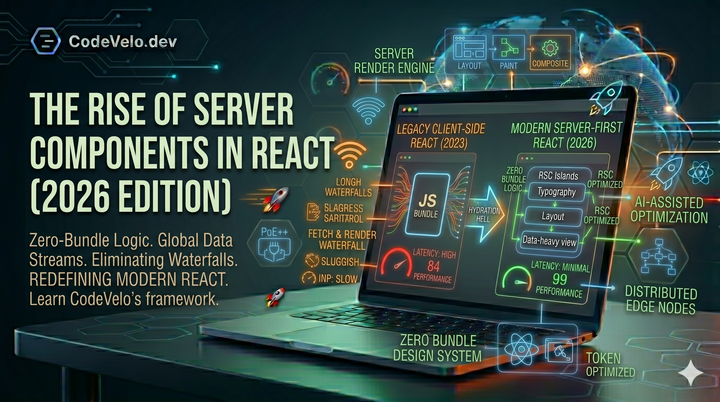
React Server Components can reduce client-side JavaScript when teams draw the right boundary between server-rendered data and interactive UI.

A clean rack is easier to cool, troubleshoot, document, and recover. Cable management and labeling are operational controls, not cosmetic details.