
The 3-2-1-1 Backup Rule: Protecting Against 2026 Ransomware
The 3-2-1-1 backup rule adds immutable recovery to traditional backup planning. It helps teams survive ransomware that targets backup systems first.

Journal
Practical engineering from the rack to the runtime.
The 3-2-1-1 backup rule adds immutable recovery to traditional backup planning. It helps teams survive ransomware that targets backup systems first.
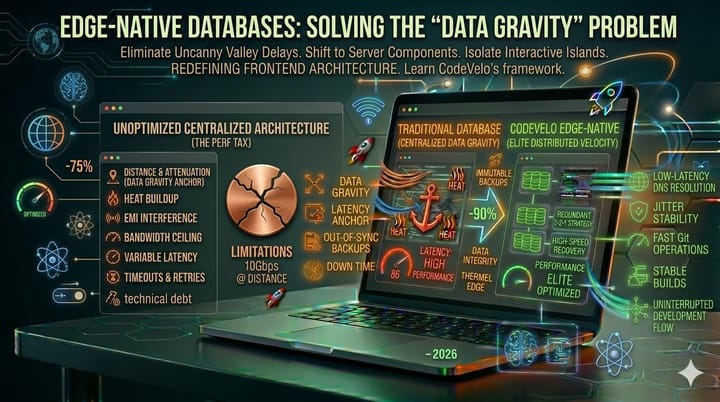
Edge-native databases reduce the distance between users and data, but they also introduce consistency and operational tradeoffs that teams need to design for.

Wi-Fi 7 improves more than peak throughput. Multi-link operation, spectrum planning, and wired backhaul determine whether the upgrade improves business reliability.

Hydration can turn fast HTML into a slow interaction path. Zero-JS rendering and server components help teams reserve client JavaScript for where it is needed.

Fiber-to-the-desk starts to matter when distance, bandwidth, EMI, or heat make copper the wrong fit. The decision should follow workload and facility constraints.

Software delivery is affected by the physical network underneath it. DNS latency, jitter, switching, and cabling can all slow development and production workflows.

Resilience becomes concrete when recovery is tested under pressure. This return note reflects on backups, continuity, and the systems that make publishing reliable.

Third-party scripts can delay rendering, block interaction, and obscure accountability. Manage them with budgets, ownership, loading strategy, and regular review.

Unexpected device drops often start with PoE budget mistakes. Calculate draw, startup behavior, and headroom before blaming cameras, access points, or switches.