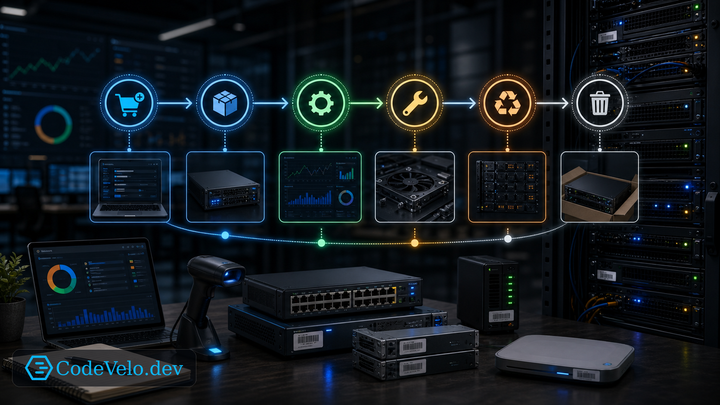
Asset Lifecycle Automation
Infrastructure assets should move through a lifecycle: requested, approved, installed, monitored, maintained, retired, and removed from trust.

Topic
Infrastructure assets should move through a lifecycle: requested, approved, installed, monitored, maintained, retired, and removed from trust.
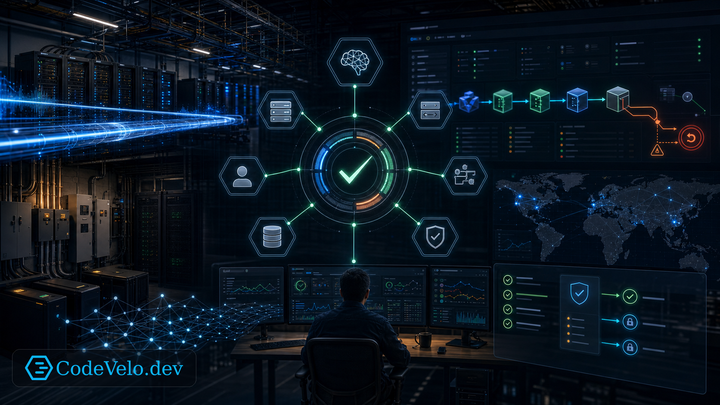
Automation should be fast, observable, bounded, and reversible. This July checklist reviews trust from the wiring closet to the deployment pipeline.
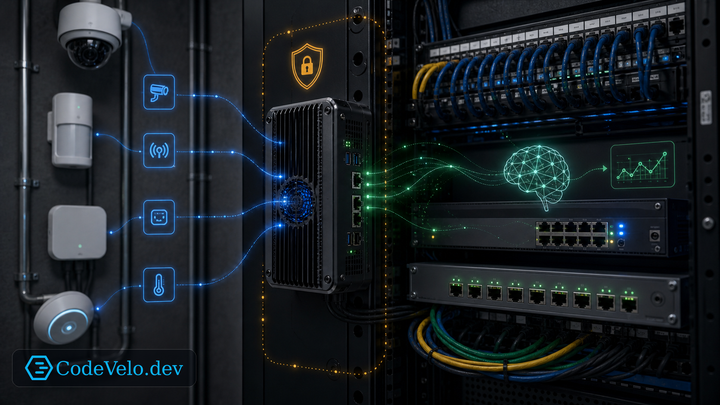
Edge AI gateways bring inference close to cameras, sensors, and access systems, but the wiring closet needs power, cooling, security, and lifecycle planning.
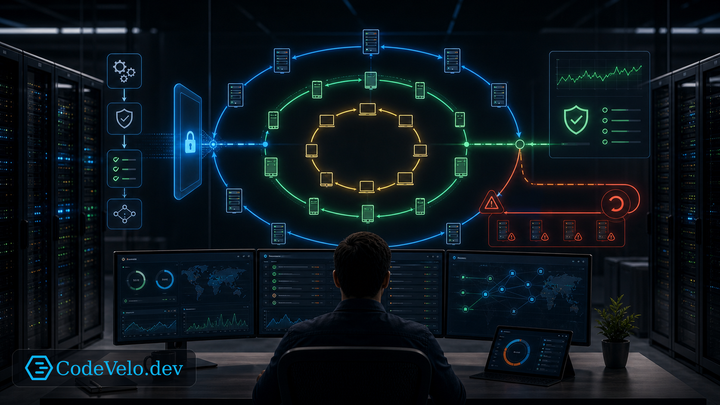
Autonomous patching should decide, stage, verify, and roll back under policy. It should not be a black box with production credentials.
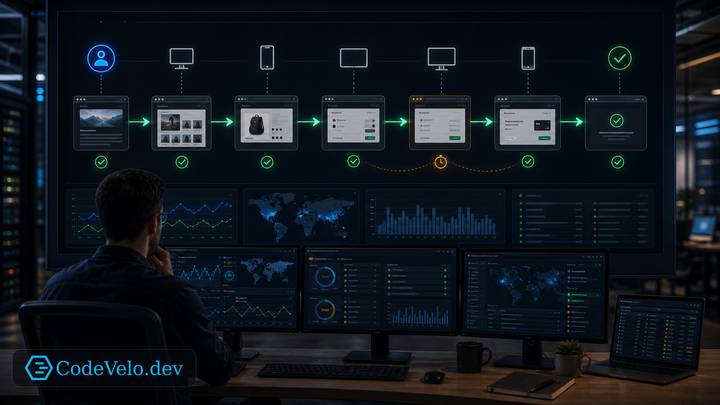
Synthetic users are most valuable when they test full business workflows, not just whether a page returns a 200.
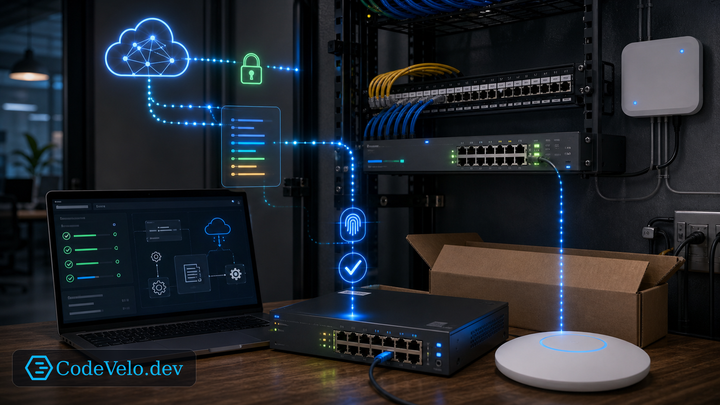
Zero-touch provisioning can bring enterprise-grade consistency to small business networks when identity, templates, and physical labeling are handled carefully.
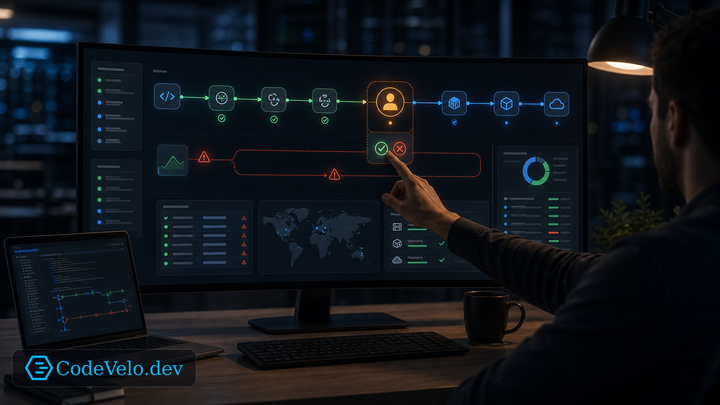
Deployment automation should accelerate safe releases while keeping humans in control of risk, timing, and rollback decisions.
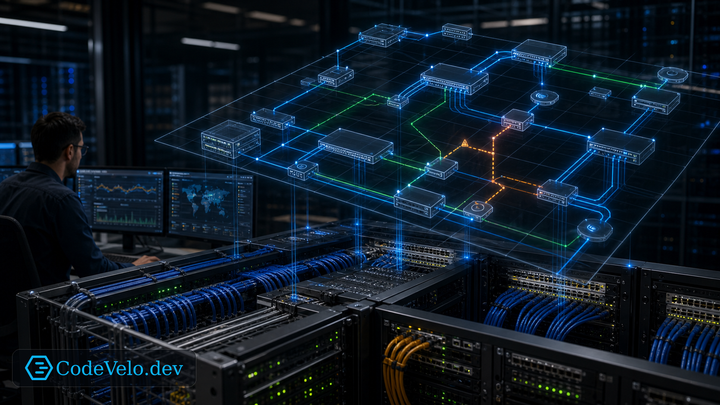
A network digital twin helps teams rehearse change windows before touching production switches, firewalls, or physical paths.
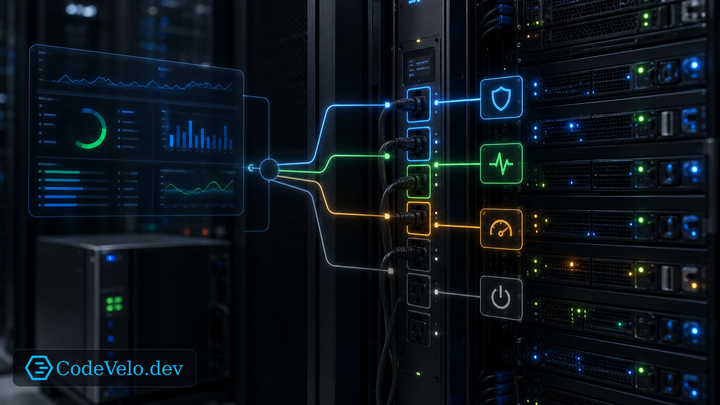
Smart PDUs become more valuable when power control is tied to policy, priority, and recovery order instead of ad hoc remote clicks.